Articles
Filters
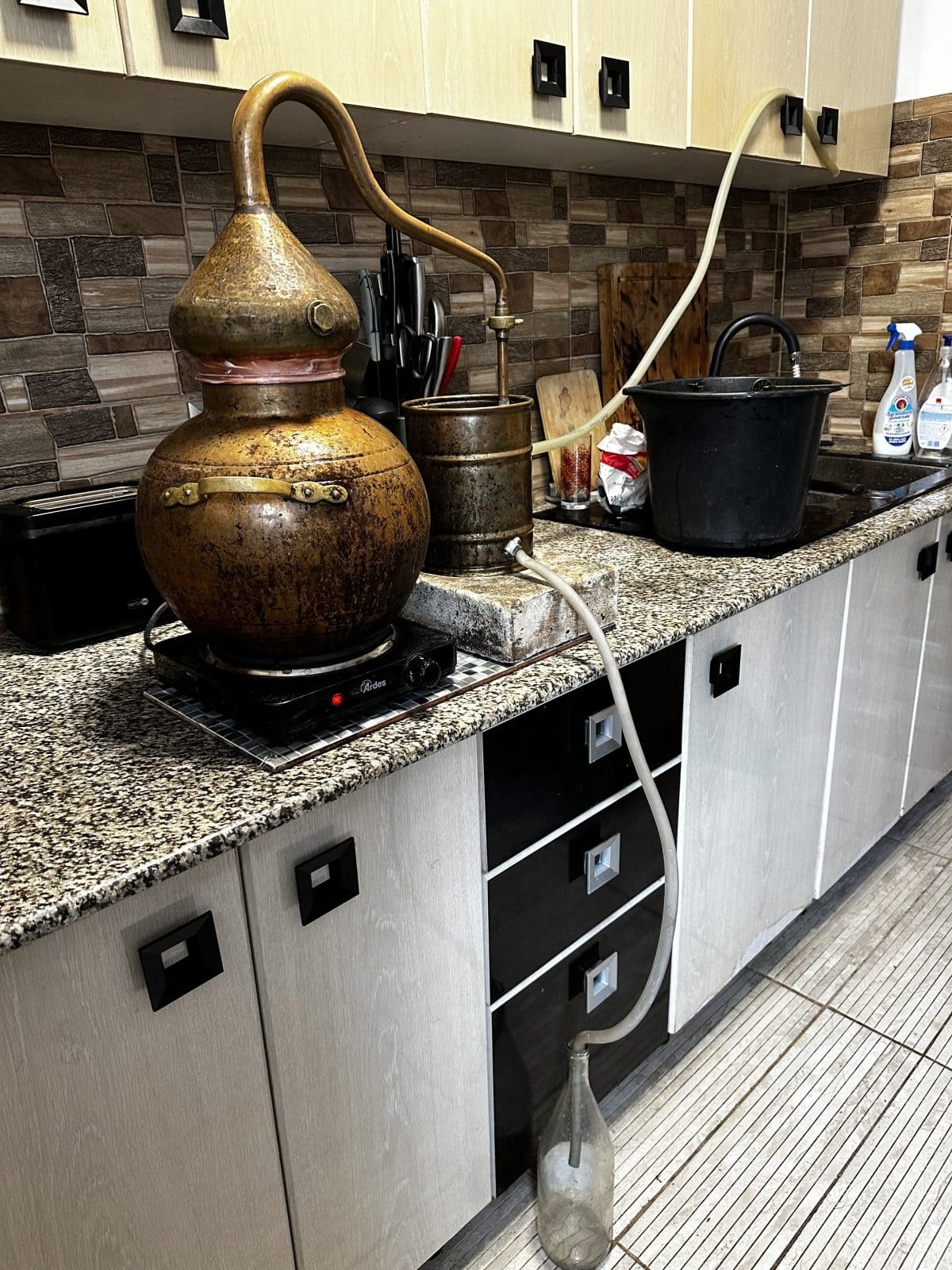
Making alcohol at home still plays an important role in local cultures—and economies—across the globe.
Industrialization has turned an ancient, sustainable practice into an ecological and social disaster. Can this be changed?
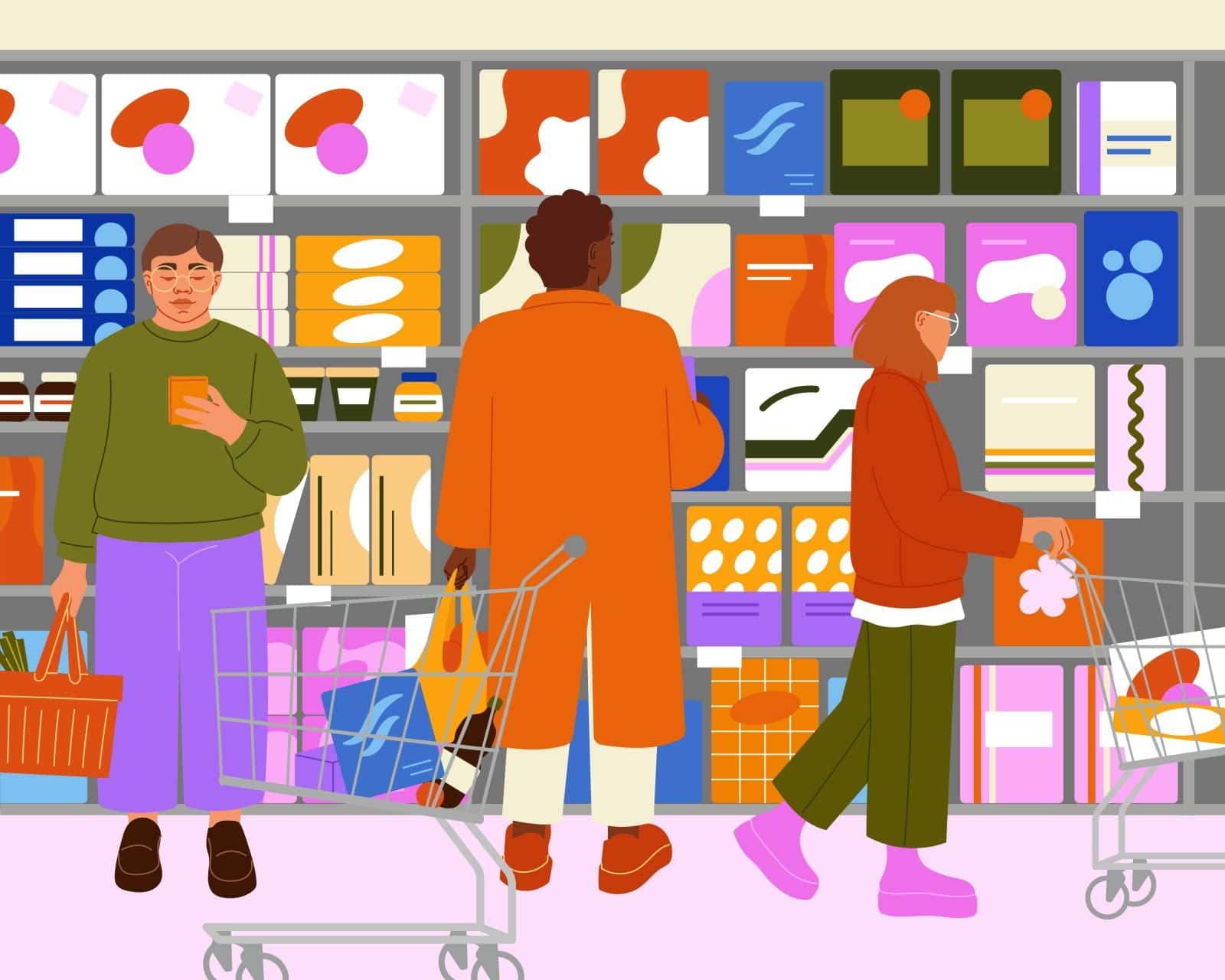
If the top-heavy, ultra-consolidated food industry decides to offer us a few organic options, is that really a good thing?
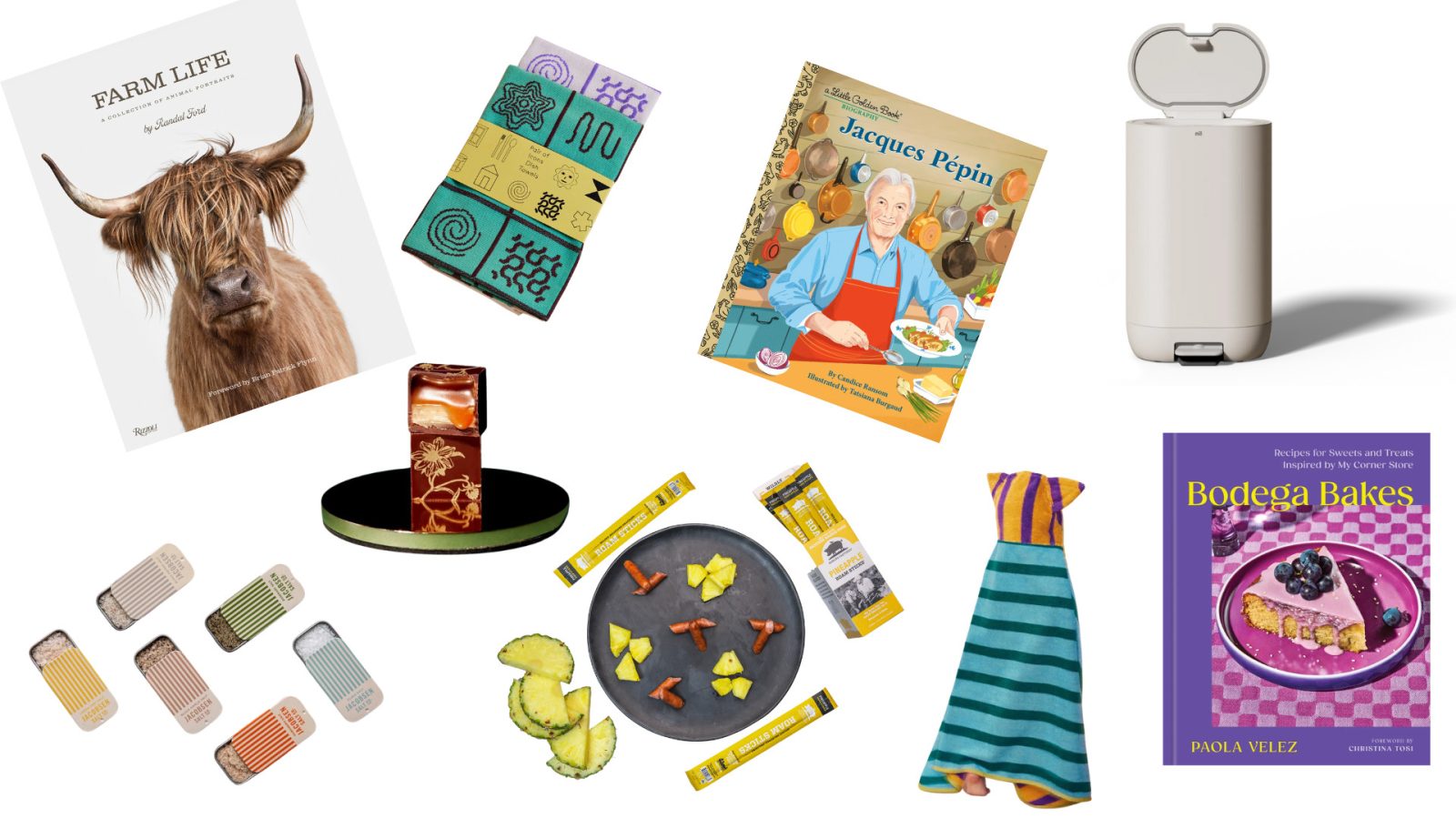
Books, kitchen happiness, awesome things to eat, and a few random treats.
Because we’re heartened by all the amazing work being done.
Lisa Kyung Gross’s inspiring women-led organization, League of Kitchens, brings us all together in one of the ways we love most.
Navigating the hidden complexities buried in the simple wish to have a stress-free holiday with your family.
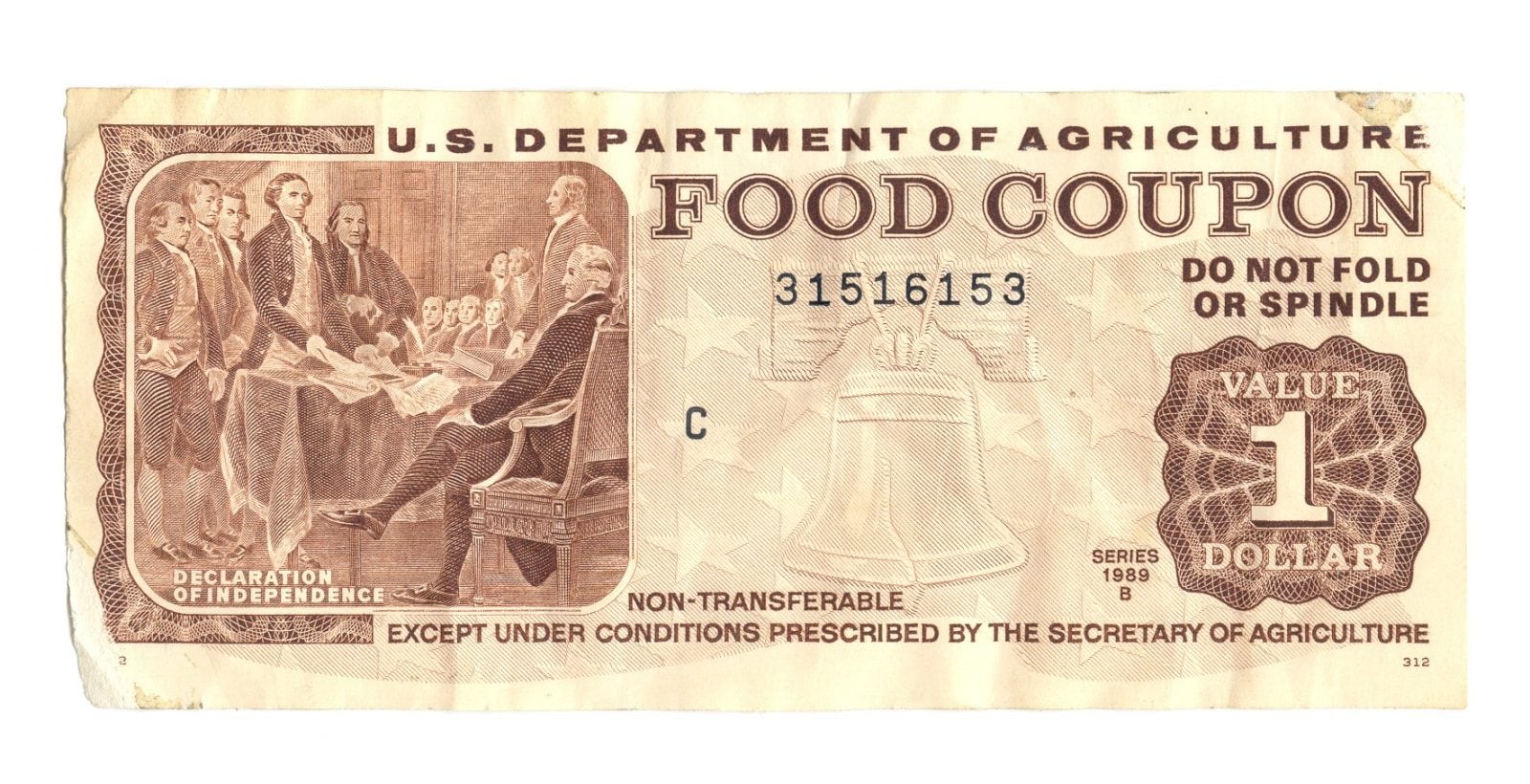
A close look at the history of the American charitable food system — and how we can remedy it.
We’re lucky to have really good friends who do great things in the food world, and because of those friends, we’re able to offer up our best giveaway yet!
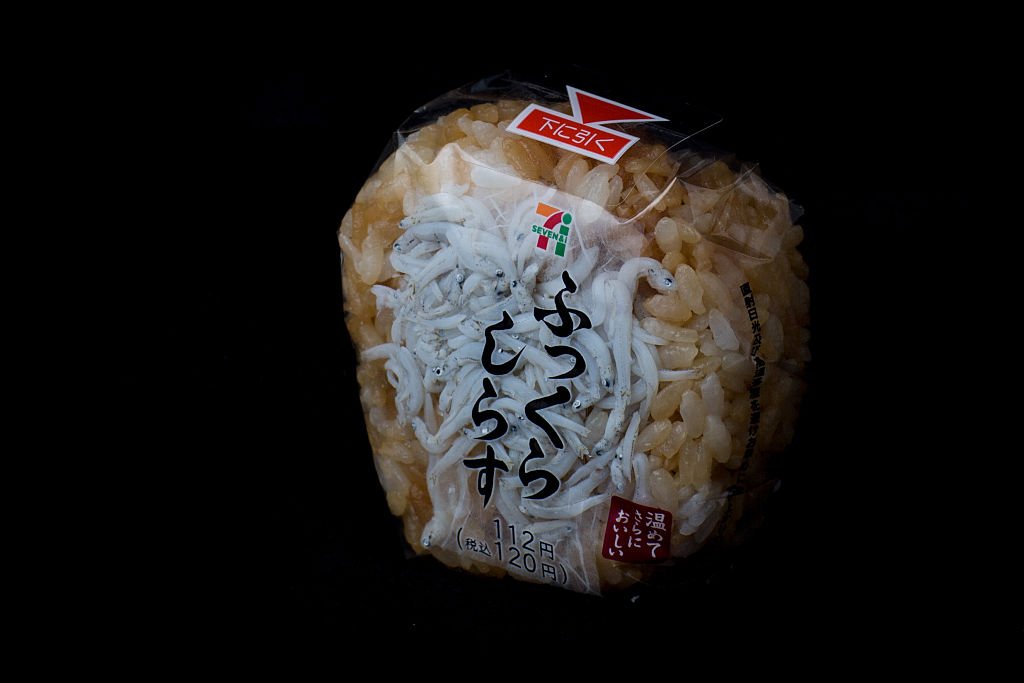
Why a purveyor of junk food and Big Gulps in the United States is a beloved source of fine cuisine in Japan.
Decades before doomscrolling, psychologists called the sometimes-obsessive dread “mean world syndrome” and linked it to television’s vivid imagery — but news apprehension is primal and universal. So too is one of the tools we underuse to address it: food.
Cooking pasta IN tomato sauce, reading about how junk food is made, and celebrating a museum that showcases food in all its forms.
While the concept of calories provides a convenient way of packaging all our food and health concerns into one unit of measurement, there is no way it can contextualize in any meaningful way the value of food for individual human beings.
Mulling over real alternatives to calorie bombs, wishing for a rise in “public restaurants,” understanding ultra-processed food a bit better, and cooking up a storm with my Instant Pot.
There is a pattern through which a food is “discovered” and then rebranded to be foisted upon the nation. The exotification around these foods, which usually grow best in formerly or currently colonized lands, mirrors a desire for the escape of the tropical environment. But more people eating them hasn’t made the places where they grow more resilient, ecologically or economically, and the devastation of climate change might mean it won’t even be able to feed the people for whom it already grows.
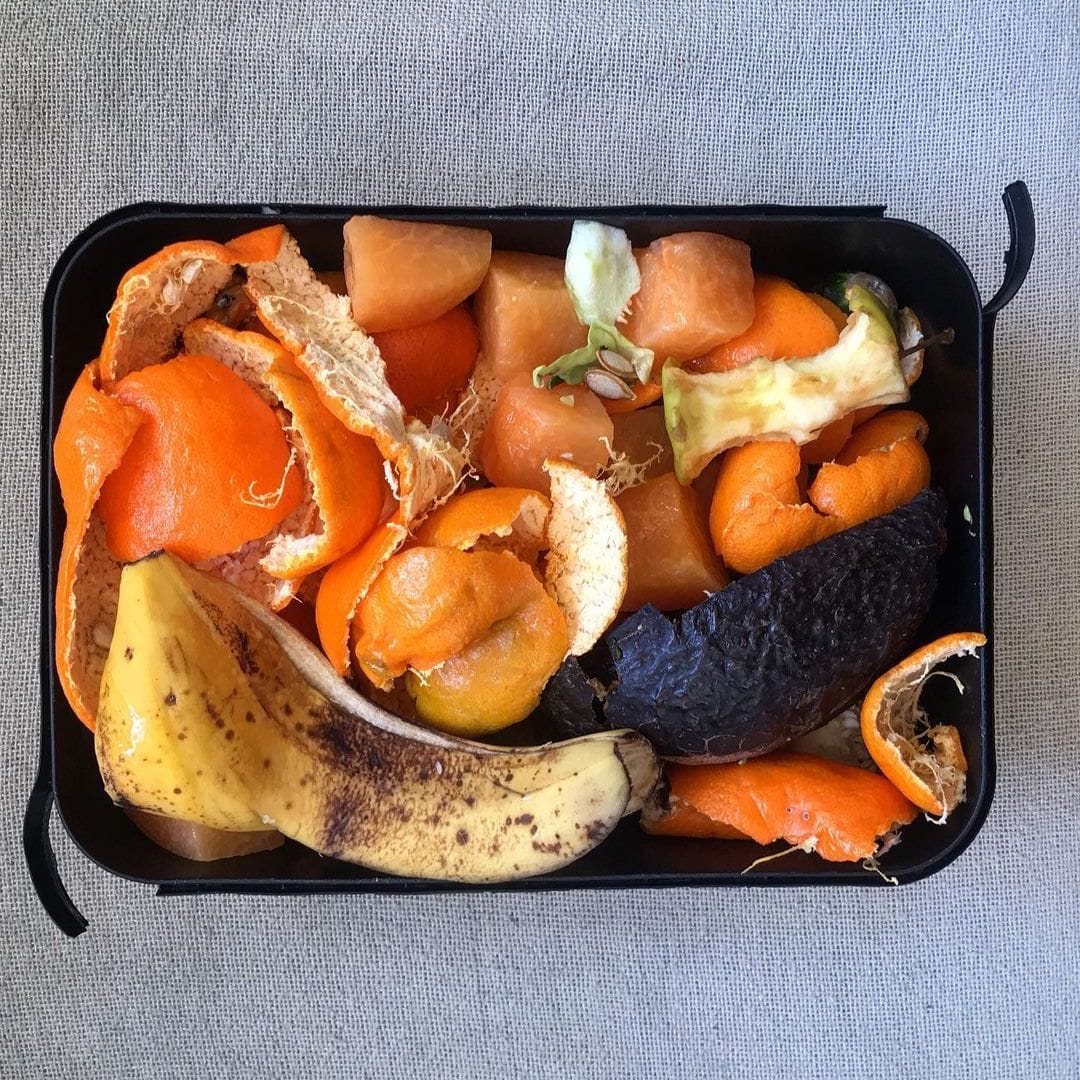
“Meet Mill,” the copy on the website reads. “The odorless, effortless, fully automated food recycler.” After using the Mill – I named mine Joshua, because the accompanying app prompts you to give your gadget a name – for around two months, I can confirm that this tagline is true. With few restrictions on what can go into it and its unique capacity to turn food scraps into shelf stable grinds that can then be composted weeks later, the Mill is a fantastic gadget to have around.
How are we supposed to know how to buy conscientiously raised meat? Why are so few people talking about it in an accessible way? Google it and you’ll find a bunch of articles quoting chefs talking about nose-to-tail. It feels daunting and insurmountable, and it doesn’t have to. The conversation needs to be continued – so we gave it a shot, starting with the fundamentals.
Contraband has spiked in the prison systems. The most surprising new entry? Seeds. Within prisons, fruit and vegetable seeds have become a popular contraband for people looking to change their diet. And at Georgia’s Central State Prison, several men have revived the previously defunct greenhouse therapy program and begun to put their green thumbs to work.
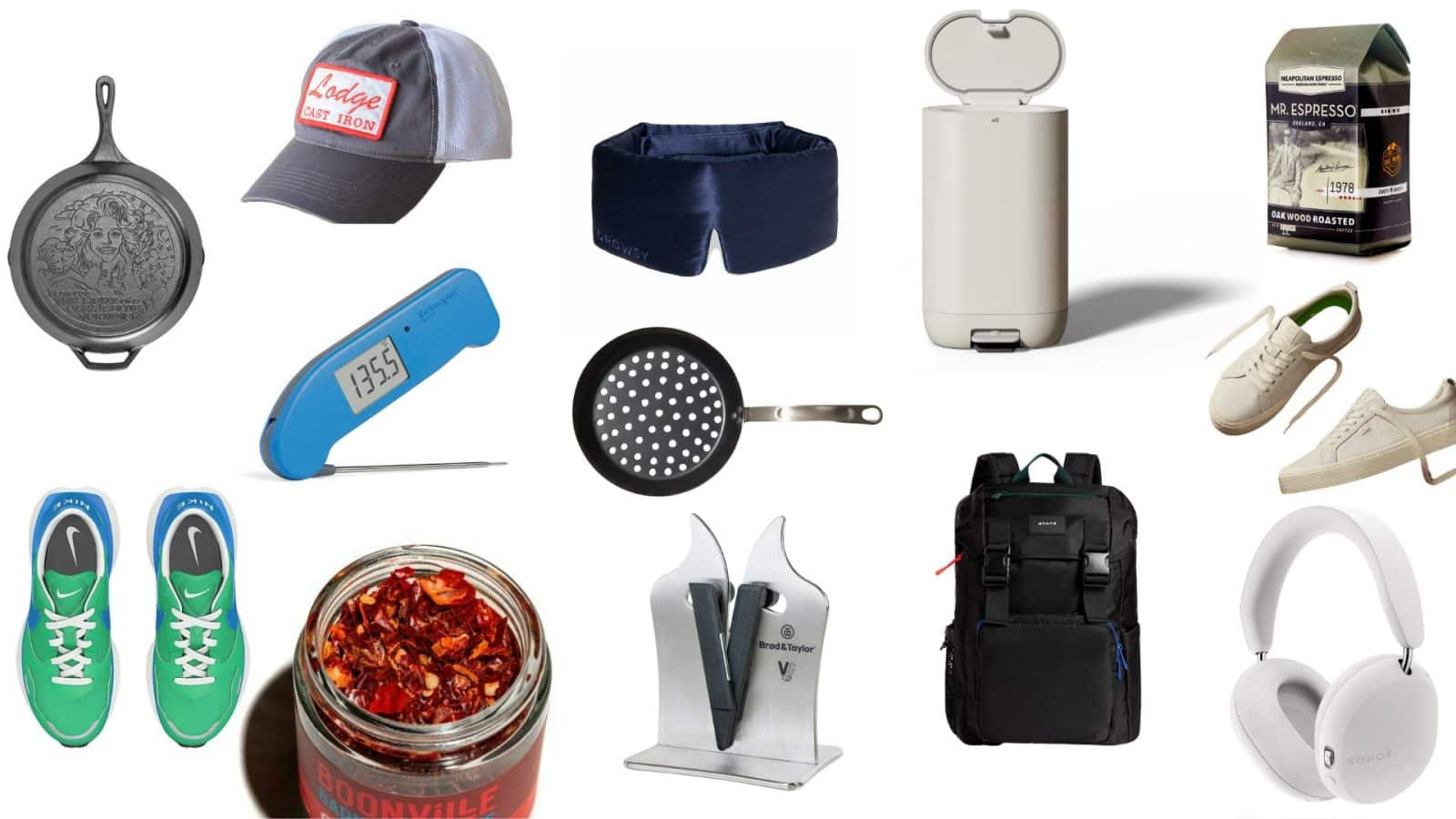
Beautiful cookware, consciously-made shoes, sweet personalized things, elevated headphones, an amazing food recycler, the gift of sleep, the best coffee, and food, and food, and food.
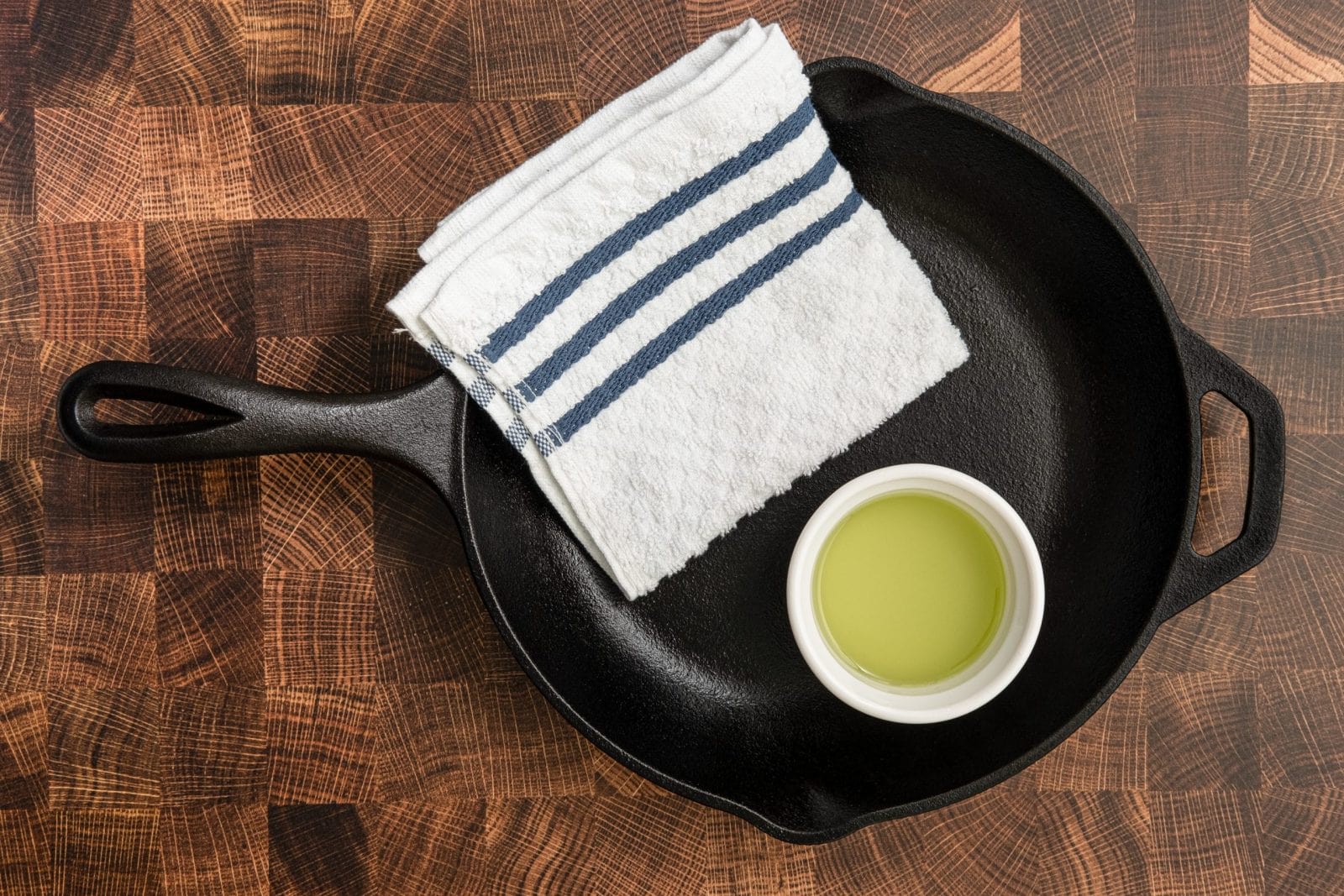
As most experienced cooks know, you can’t brown food unless you preheat your skillet, and I frequently transfer food from…