The Editors

Filters

Sort by date

Content Type

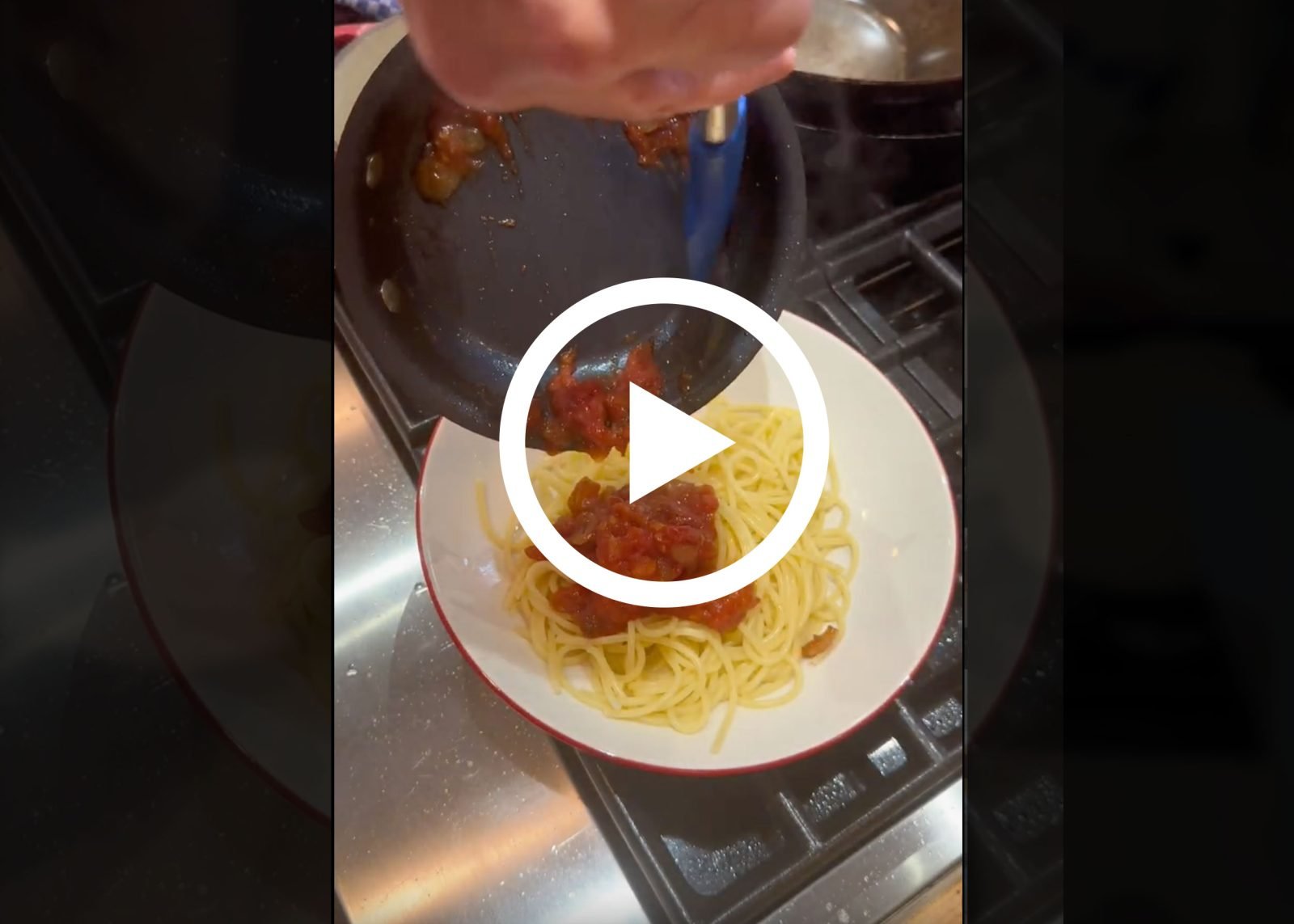
Cooking for One: Amatriciana

Mark makes pasta for lunch.

Kate Makes Oatmeal

Kate makes Mark oatmeal using Bob’s Red Mill rolled oats.

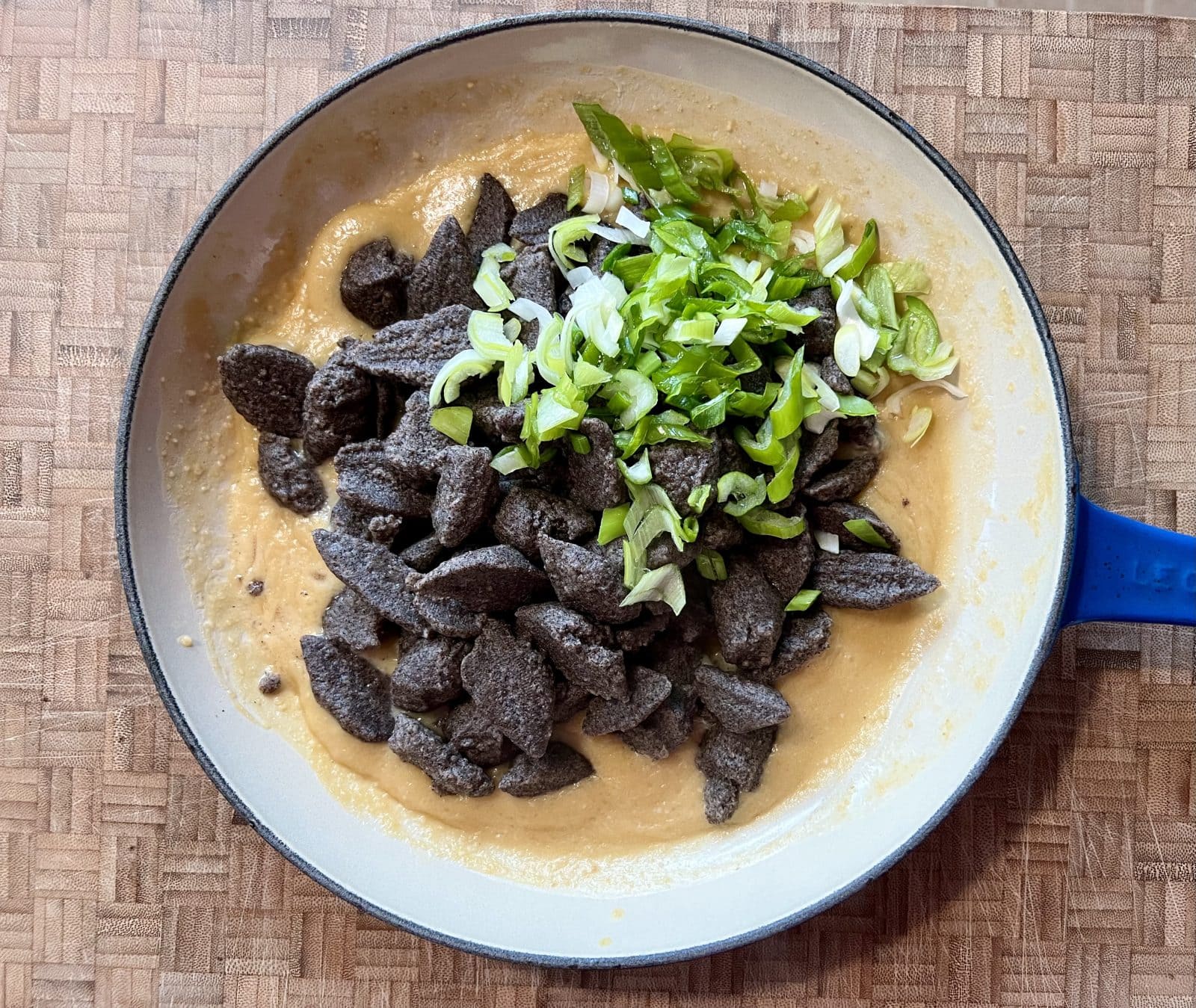
Scissor-Cut Buckwheat Noodles with Miso Butter

Soba, the thin Japanese noodles made from all or part buckwheat, is associated with good luck at the New Year, though they’re also a big part of the everyday diet. Sometimes they’re served cold with dipping sauce, or they’re stir-fried with vegetables and meat – and called yakisoba – or they’re slipped into soup. Like Italian pasta, they’re always available dried and sometimes fresh, and the ambitious can make them at home. Enter this delightful and easy whole grain buckwheat noodle recipe, where you cut (or pinch) off bits of dough into a pot of bubbling water, akin to dumplings. The miso butter included is amazing, but you could also skip it and serve these plain with any meat, seafood, or vegetable stew.

See more buckwheat recipes in Here’s How to Cook an Auspicious (Sorta Polarizing) Grain.
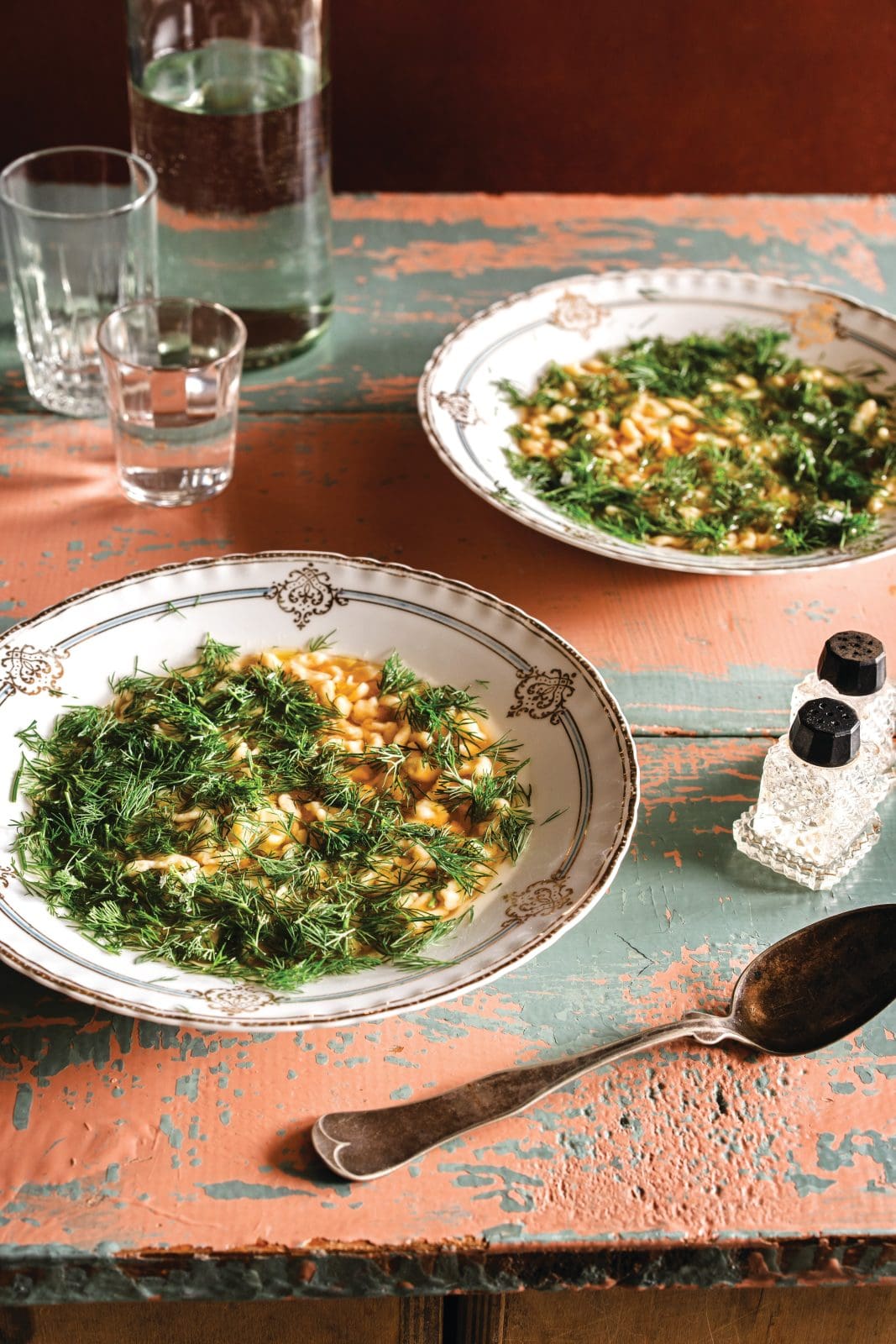
Nokedli in Chicken Broth with So Much Dill

Nokedli is the Hungarian answer to spaetzle, plump eggy nubs that are somewhere between a noodle and a dumpling. Grandma Agi used to serve this in plain chicken broth or alongside
paprikash as a starch. This version, which is very popular at the restaurant, is like a turbo-charged chicken noodle soup. We serve it starting in the fall, and every week we go through bushels of dill, pounds of nokedli, and gallons of chicken stock. The nokedli are dense and chewy, the perfect bite in every spoonful. But dill is the real star here, so use a heavy hand. It’s a
short ingredient list, so get the best of everything for the best bowl of soup. – Jeremy Salamon

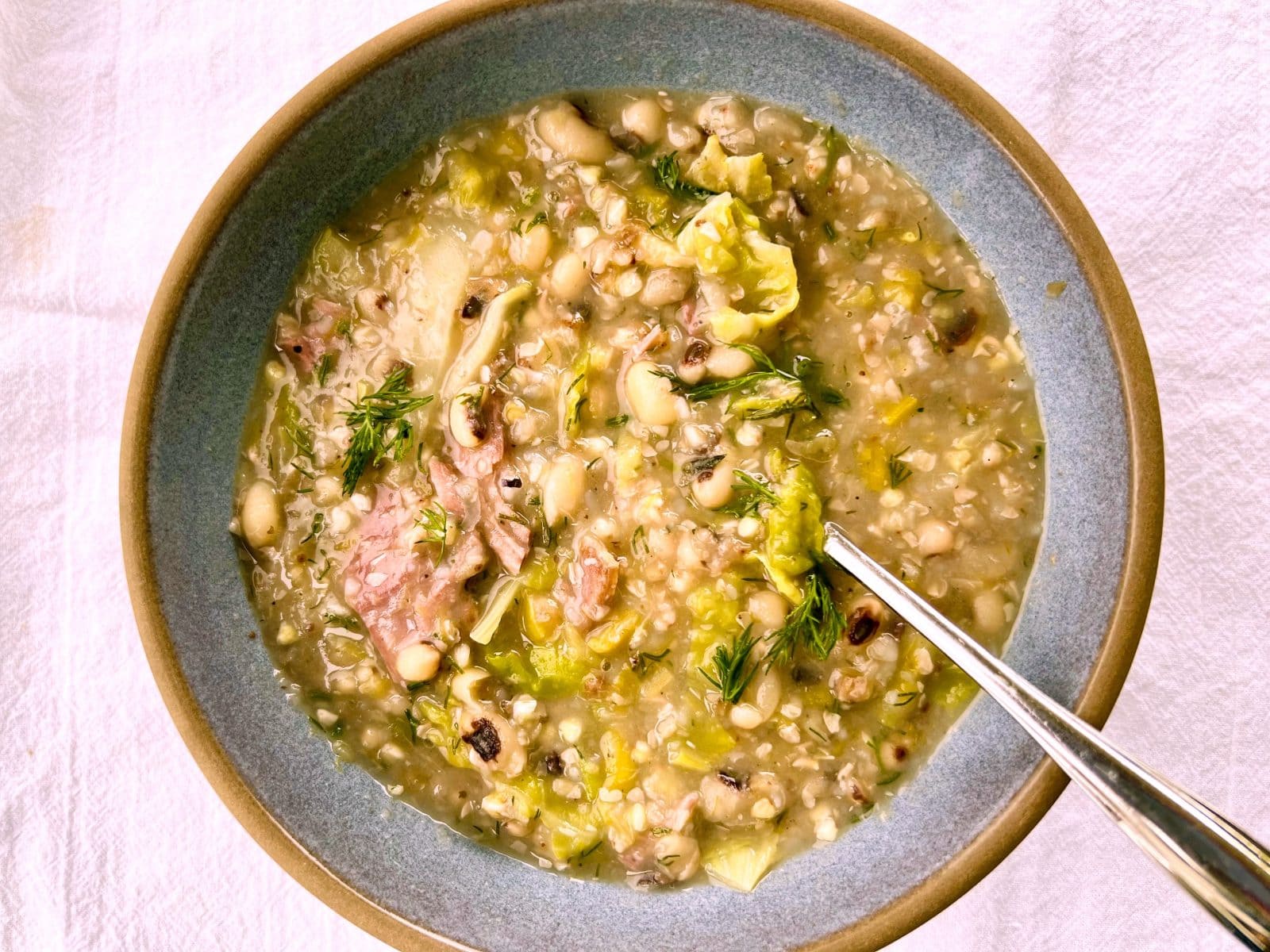
Triple-Luck New Years Soup

Three allegedly lucky foods – buckwheat, cabbage, and black-eyed peas – all come together in one pot with a little something smoky – like pork, turkey, or seaweed (see the variation!) – for a robust and flavorful water-based soup with lots of different textures in every bite. Another lucky break: It freezes and reheats really well, so you can tap into the good vibes all year long.

See more buckwheat recipes in Here’s How to Cook an Auspicious (Sorta Polarizing) Grain.
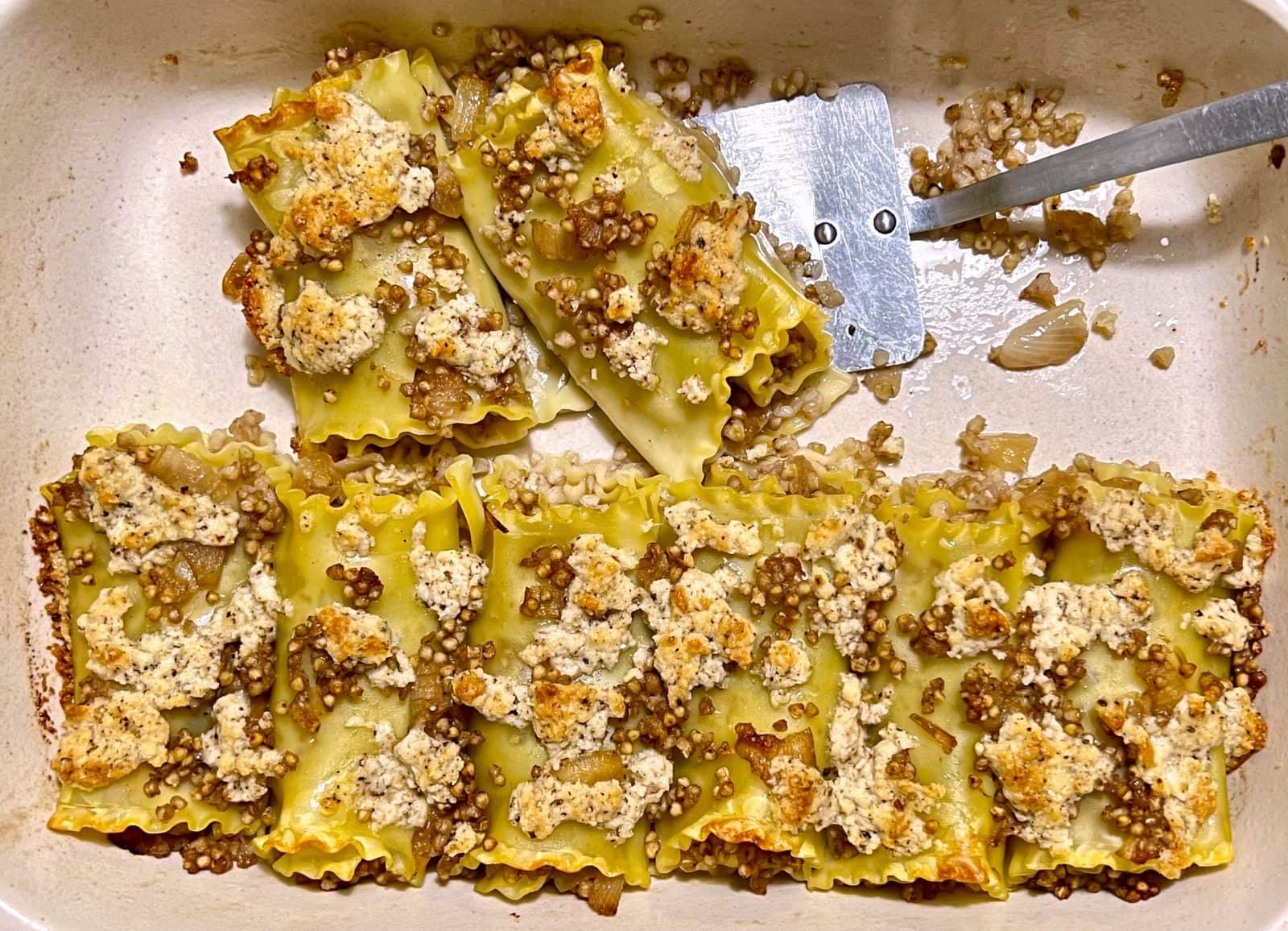
Kasha Lasagna Rolls with Browned Onions and Pecorino Butter

Here is one of Mark’s favorite dishes – toasted buckwheat with caramelized onions and bow ties – but spun a bit fancy for conjuring good luck in the New Year, or any time of the year. This version is almost as easy as his classic Kasha Varnishkes. The make-ahead noodle rolls bake up tender, chewy, and crisp, often all in the same bite. To steer the recipe more toward lasagna, serve them with Mark’s fastest tomato sauce to pass at the table. And for an even easier version, break the noodles before boiling and simply toss them with the buckwheat filling before topping and baking.

See more buckwheat recipes in Here’s How to Cook an Auspicious (Sorta Polarizing) Grain.
Brown Sugar Cinnamon Cookies (Speculoos)

According to some historians, these cookies, often referred to as speculoos, were created in Belgium as a cheaper, spice-free alternative to Dutch speculaas. In the seventeenth century, importing spices into Belgium was more expensive than in the Netherlands. So, instead of spices giving the Belgian cookies their color and flavor, caramelized sugar was used, providing the warming notes characteristic of the Dutch cookie. This style of sugar came about because processed sugar at the time in Belgium was made from sugar beets, and the molasses that came from it (which would typically be added back to white sugar to make “brown sugar”) was so high in nitrogenous waste, it was considered unfit to consume. So, as a workaround to get a brown sugar, regular white sugar was caramelized and turned into rock candy-like sugar called kandij suiker. This caramel sugar gives these cookies their distinctive taste, which is different from the bitter notes provided by the likes of molasses or other brown sugars made from sugarcane.

Another theory for how the cookie came about involves two rival cookie manufacturers. According to the Lotus Biscoff website, a Belgian baker named Jan Boone, Sr., created a caramelized cookie like speculoos and named it Lotus, after the flower that symbolizes purity, and in the 1950s started individually wrapping the cookies and selling them. But at the same time, according to LU (another large cookie manufacturer), a baker in Antwerp named Louis Parein created the “Bastogne cookie”— or Bastognekoeken, the name of this recipe—to commemorate the Battle of Bastogne in World War II. It is, like Biscoff’s Lotus cookie, a caramelized sugar cookie flavored with only cinnamon, but engraved with ridges on the top.

However the cookie came about, it seems the key ingredient is the brown rock candy sugar and the addition of cinnamon, though many other recipes now include a pinch of cloves or nutmeg and some vanilla, too. Modern recipes mix maple syrup or molasses with regular sugar to replicate the specific taste of speculoos, but the authentic syrup would be schenkstroop, a Dutch caramel syrup, which is available online or in some specialty food stores. Many recipes use the kandij suiker and the caramel syrup together; it’s listed as an option in this recipe, but if you use regular white sugar, the caramel flavor will be a little less prominent. – Ben Mims

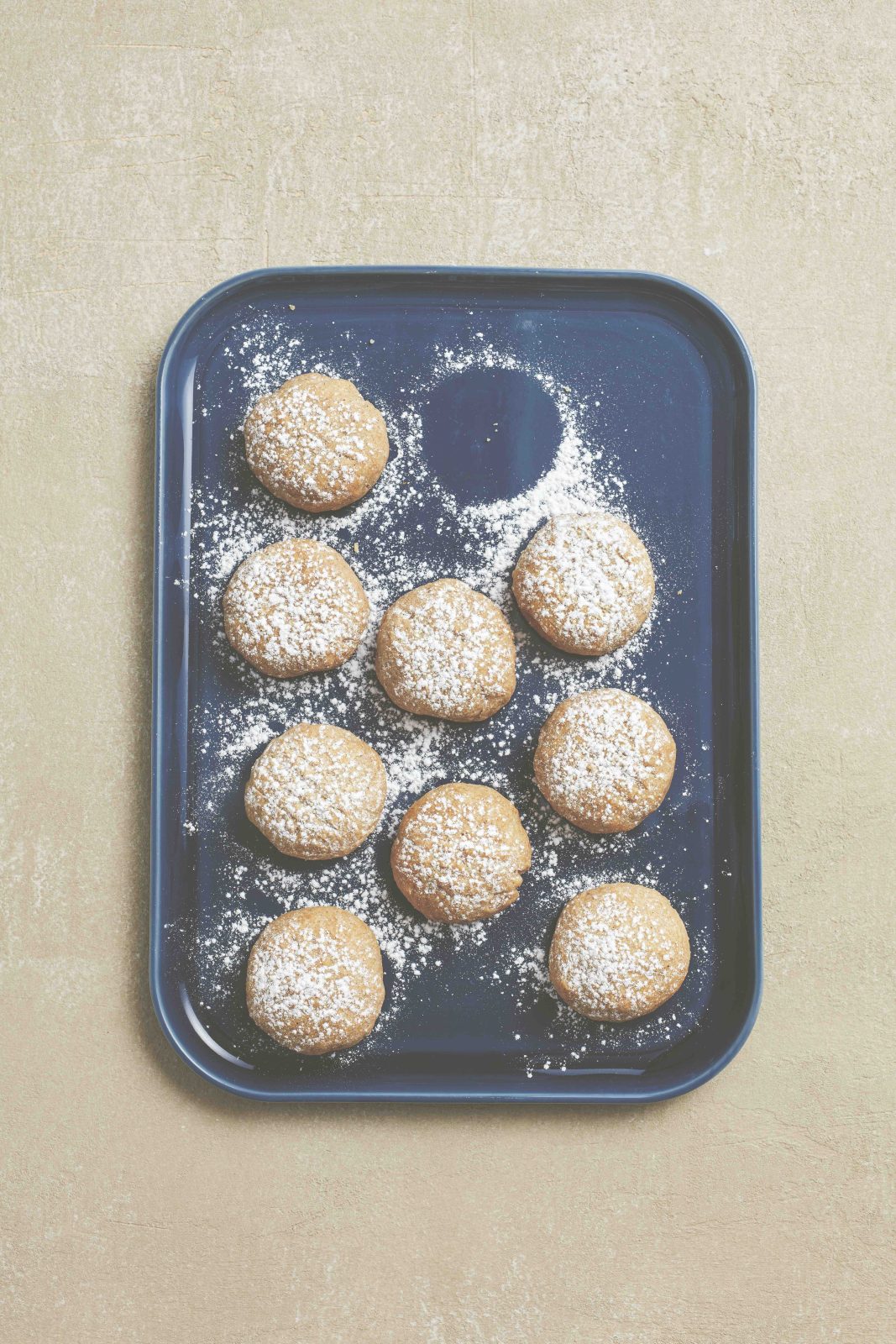
Egyptian Stuffed Eid Cookies

This may be the oldest cookie on earth, at least in terms of how we would describe them today. Images of them can be found in tombs of nobles in Thebes and Memphis dating back to pharaonic times, and historians believe the custom of making them started with the wives of kings who presented them as offerings to ancient priests. These were circular-shaped cookies often filled with dried fruit or honey and, over time, gained various markings on top, often sun rays as a sign of worship for sun gods. These imprinted markings on the top of kahk were once a part of their identity, but many recipes today simply leave the cookies plain or smooth.

Kahk, sometimes spelled ka’ak or referred to as kahk el-Eid, are popular to celebrate the end of Ramadan in Egypt. Their stuffings are various—from dates to Turkish delight to nuts like pistachios, almonds, or walnuts—but the historically traditional filling is one called agameya made of honey, sesame seeds, ghee, and sometimes nuts thickened with flour. When stuffed with other fillings, kahk takes on different names in other parts of the Middle East and Arab world. The dough is typically flavored with a spice mix called reehet el kahk—sometimes referred to as kahk “essence” or “seasoning”—made of fennel or anise seeds, cinnamon, cloves, cardamom, and mahleb, the dried and ground kernel of a type of cherry.

Some bakers use a maamoul mold or serrated maamoul tongs to imprint designs and differentiate different types of fillings. There are also special kahk stamps (which you can find online) that imprint the cookies with a crosshatch design, but most bakers simply use the tines of a fork to make the cookie’s distinct markings. Though the markings once held religious symbolism, now they act as vessels to catch lots of powdered (icing) sugar, which is liberally dusted on top of the cookies while warm from the oven. – Ben Mims

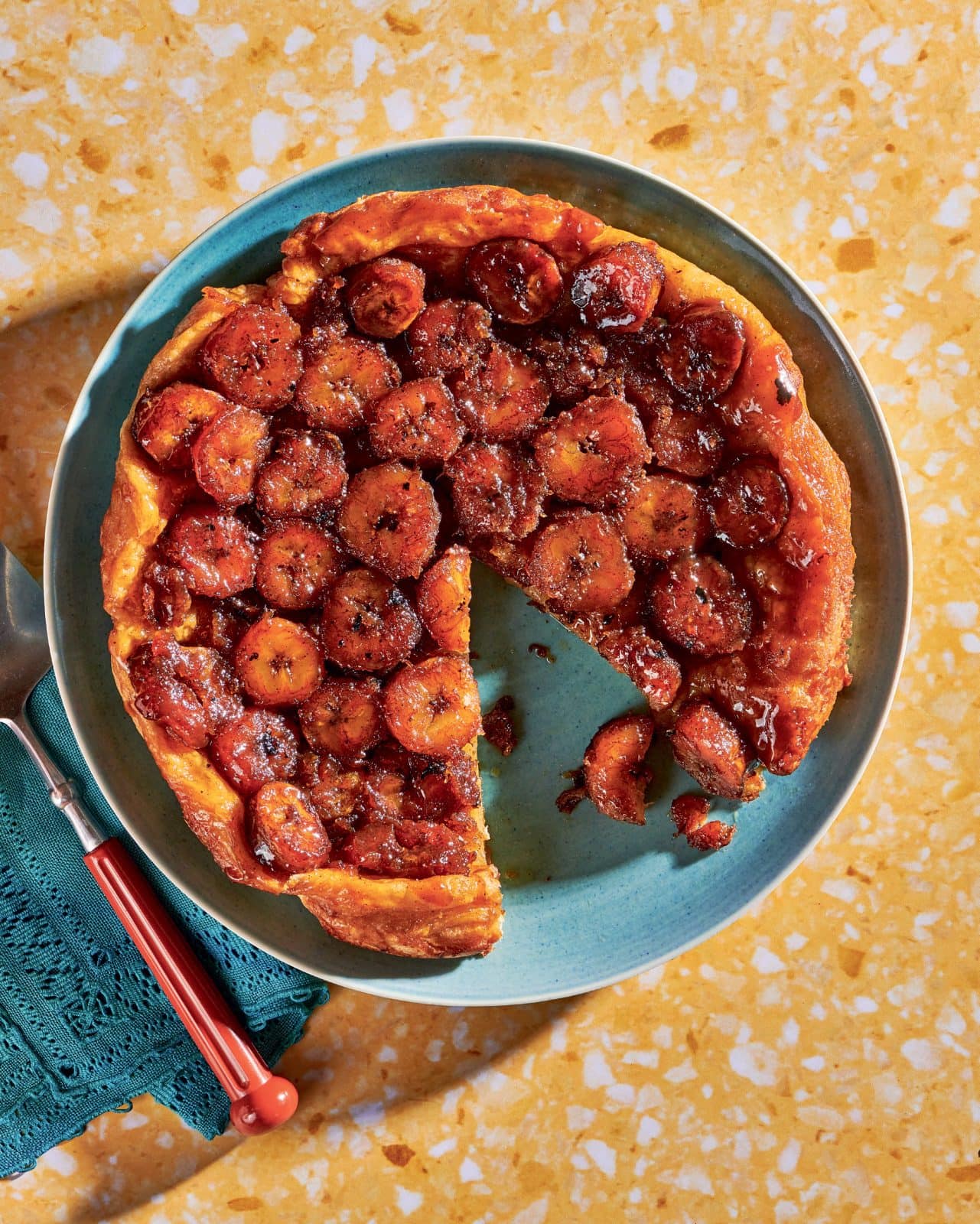
Plantain Tarte Tatin

If you’re anything like me and have so many plantains around that a good portion of them get too ripe, too soon, this is the perfect recipe. Especially when you’ve had
enough of the sticky bun: this is your next plantain adventure.

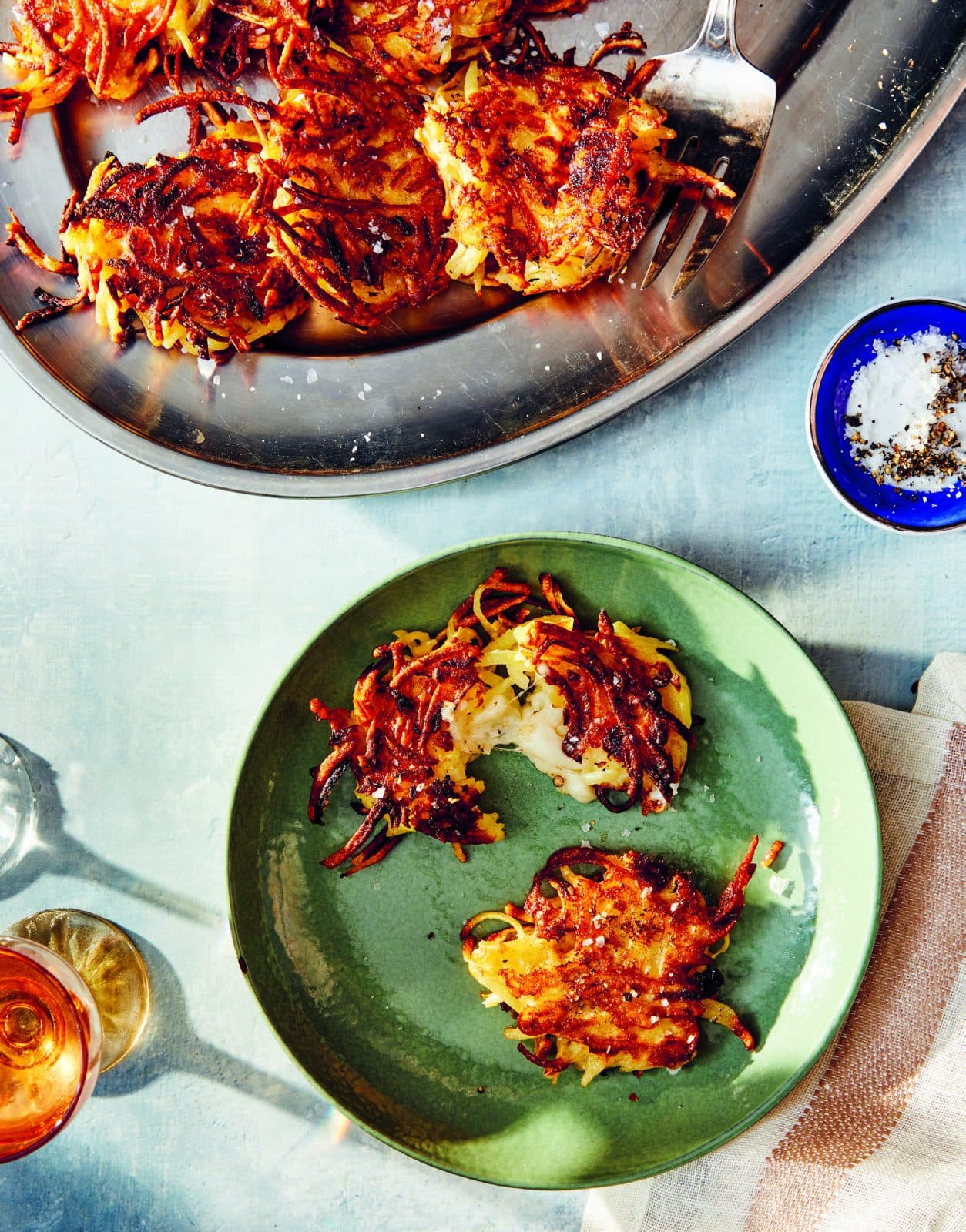
Frico Morbido (Cheese-Stuffed Potato Pancakes)

If you like potato latkes, you will love frico, a Friulian dish, specifically from Carnia, the northeastern region of Friuli. A grated potato cake traditionally stuffed with Montasio cheese fried to a crispy exterior and a soft, cheesy center, frico has peasant origins and is revered by locals for its simple preparation with super tasty results.

As with most recipes, each home has its own version, some making one large pie and slicing it into pieces while others make small, snackable patties. Make sure to use a nonstick or seasoned cast-iron skillet, so the potato patties quickly release from the pan. In addition, use a salad spinner to remove as much water as possible from the grated potato before forming the fricos. Using high-starch russet potatoes ensures a golden and crispy exterior and
a fluffy interior. If you can find Montasio cheese, give it a try, but Asiago or mozzarella are worthy substitutes if you can’t. They’re the perfect handheld snack, but give them a few minutes to cool, so you don’t end up with burnt fingers! – Anna Francese Gass

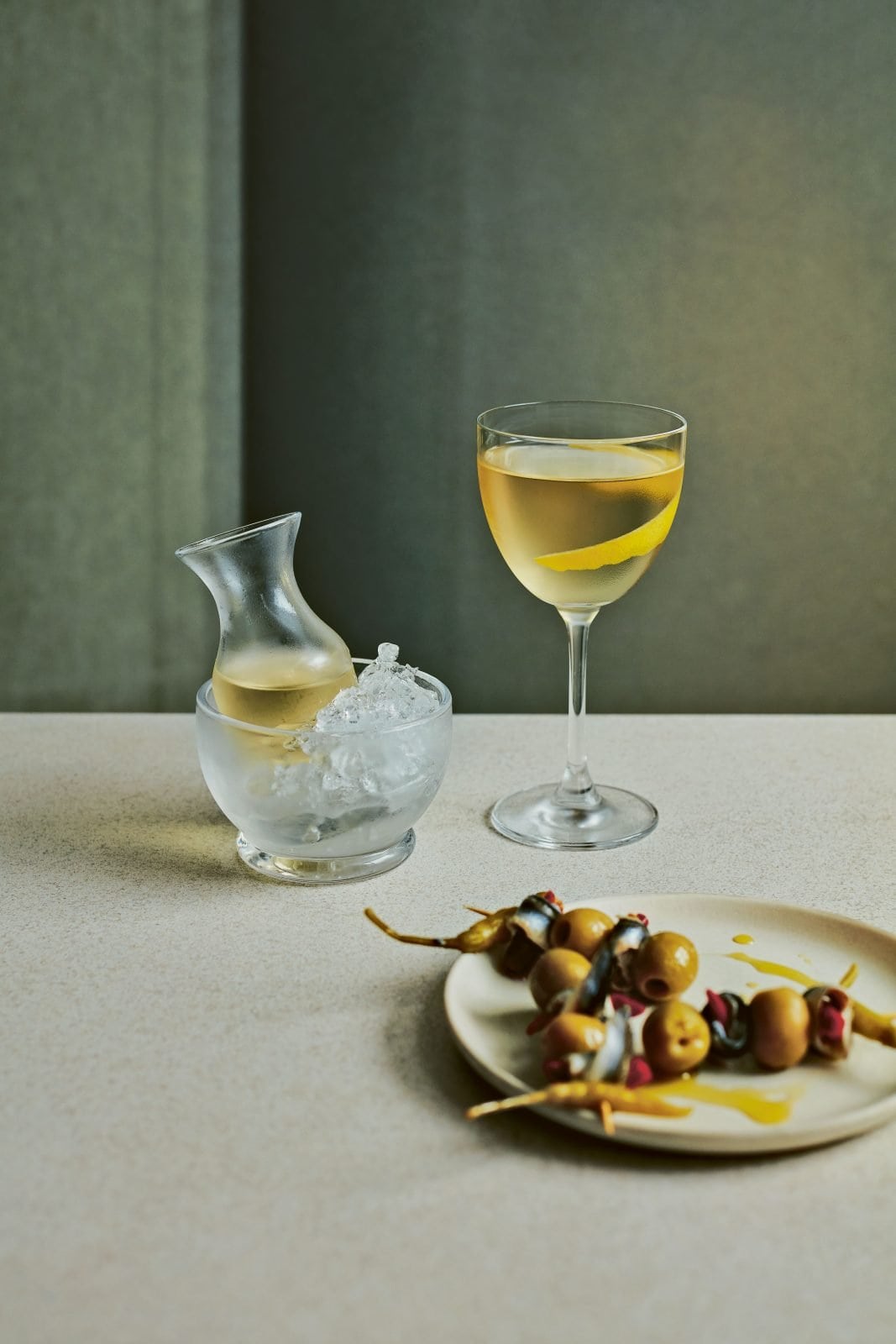
Fitty-Fitty Martini

This modern classic by American mixologist Audrey Saunders is a nod to the vermouth-heavy Martinis of yesteryear. She launched it in 2005, at a time when the ultra-dry Martini was at its peak of popularity – I think it’s fair to say this one drink had a lot to do with the ensuing vermouth renaissance.

The equal-parts ratio has the strange effect of amplifying the flavours of everything, yet it’s more easy-drinking than a regular Dry Martini. Saunders recommends drinking it with food and especially fish. – Alice Lascelles

Here’s Where to Put Your Dollars This Giving Tuesday

Because we’re heartened by all the amazing work being done.

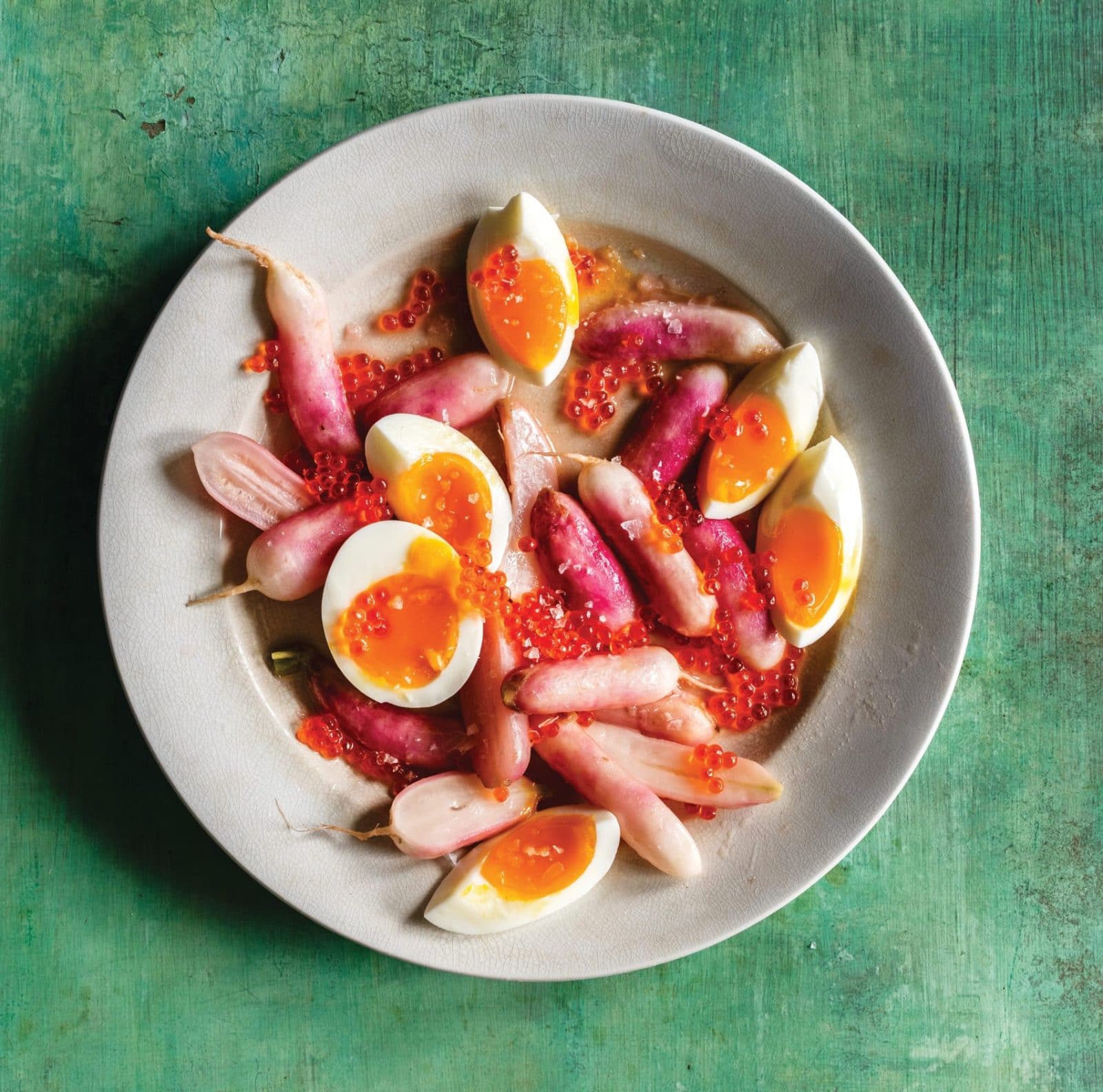
Poached Radishes

Radishes and eggs make me think of every event at Jewish temple with a spread of sliced, watery, generic radishes and hard-boiled eggs. Even at my Jewish day school, we often had hard-boiled eggs and radishes for lunch. So that flavor profile has really stuck with me, maybe even haunted me. This version treats everything with a little more care, for something that’s
deeply satisfying. Poaching the radishes helps mellow their spicy bite and gives them an almost meaty tenderness. I’m a big supporter of soft-boiling eggs always, letting the jammy yolk be the center of richness. And finally, a few spoonfuls of roe add a perfect salty brine to balance it all
out. – Jeremy Salamon

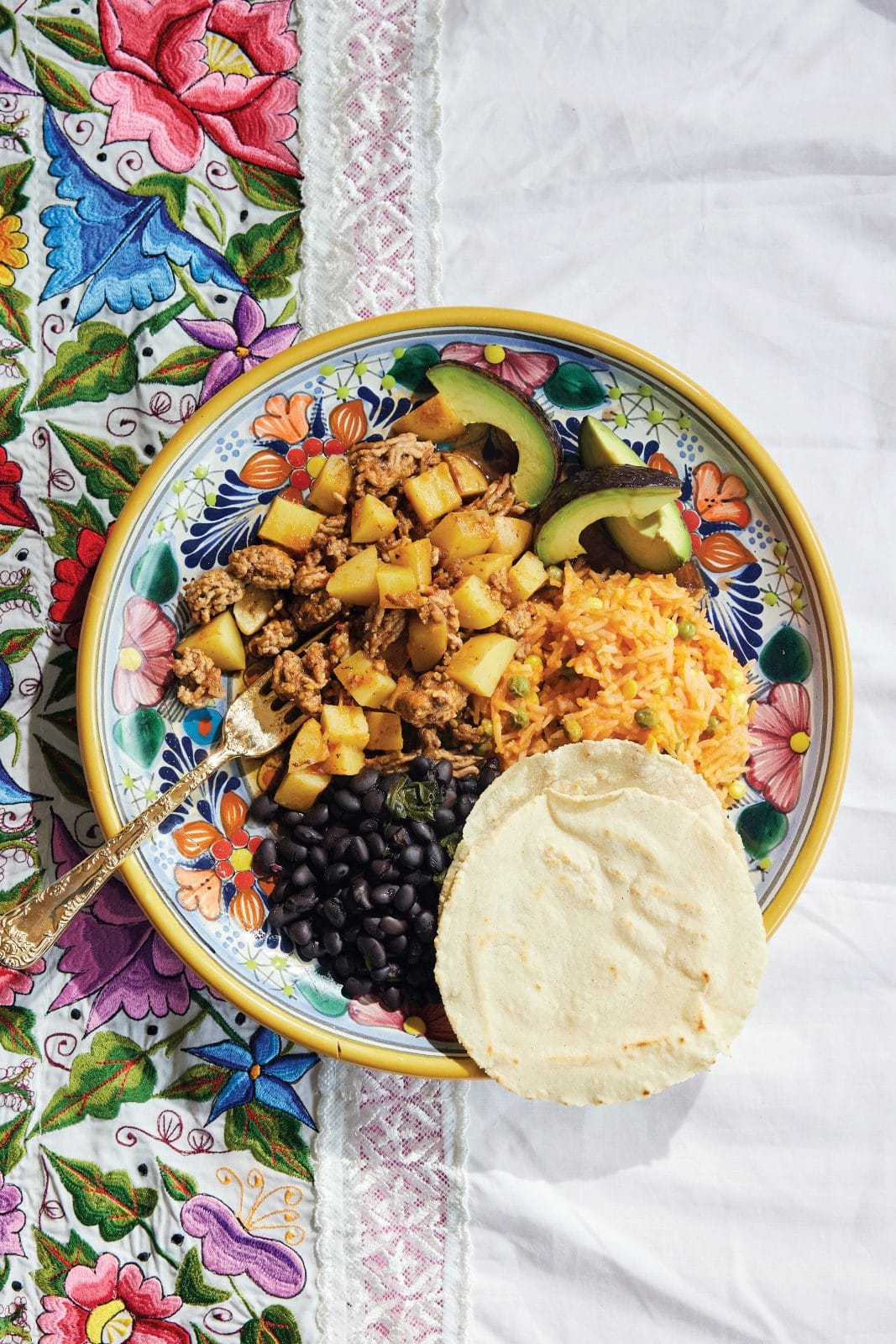
Mexican Ground Beef and Potatoes (Picadillo de Carne Molida)

“My mom made this my whole life.” – Angelica Vargas

That is really the best way to serve picadillo as a taco—no other toppings at all, just the richly seasoned ground meat and potatoes wrapped inside a warm flour tortilla. In fact, even though Angie often serves her picadillo with avocado and Mexican cheeses, she usually doesn’t combine them in a taco—she makes separate tacos by either crushing the avocado into the tortilla or doing the same with a piece of cheese, and then she eats this alongside bites of picadillo. This contrast of the meat with the avocado or cheese tacos makes for such a yummy meal.

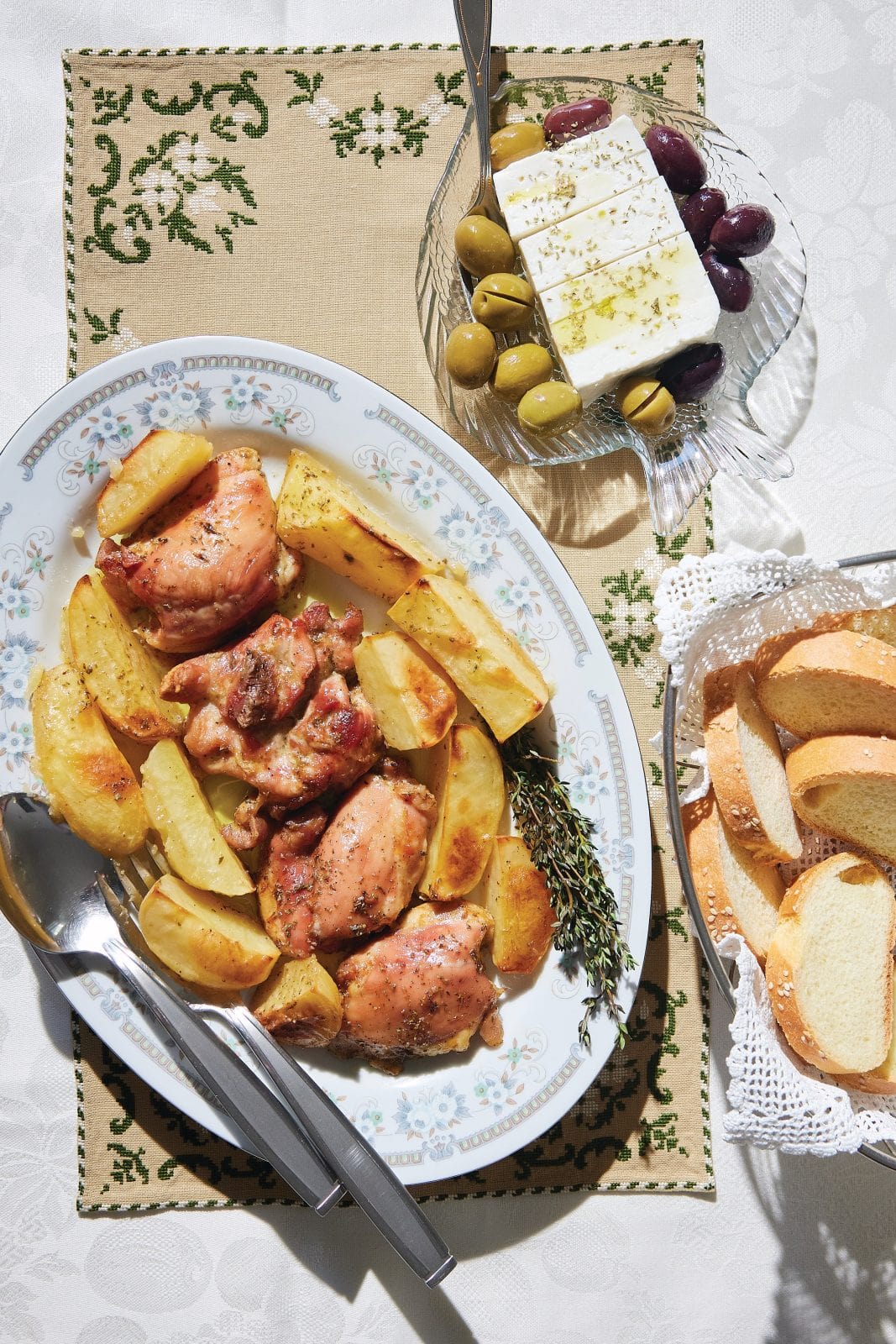
Greek Roasted Chicken and Potatoes with Lemon and Oregano (Kotopoulo Me Patates Sto Fourno)

“When I was growing up, we didn’t have ovens in our homes, so we would take a pan of potatoes and chicken to the bakery to roast — it was just so delicious.” – Despina Economou

When Despina was growing up in Greece, this was always considered a Sunday dish, partly because you saved meat for the weekends, and partly because everyone in town had to do their roasting in the ovens
at the local bakery. By 10 o’clock in the morning on Sundays, the bakery would have fifty dishes lined up for roasting, says Despina—so many that the bakers would have to take Polaroid photos to keep track of which was whose. Made in your own kitchen, these simply dressed bone-in chicken thighs are perfect for anytime—they’re so simple but so homey and satisfying. Despina always uses the best-quality wild oregano and extra-virgin olive oil—both always Greek. If you can do the same, it will really make this extra delicious.

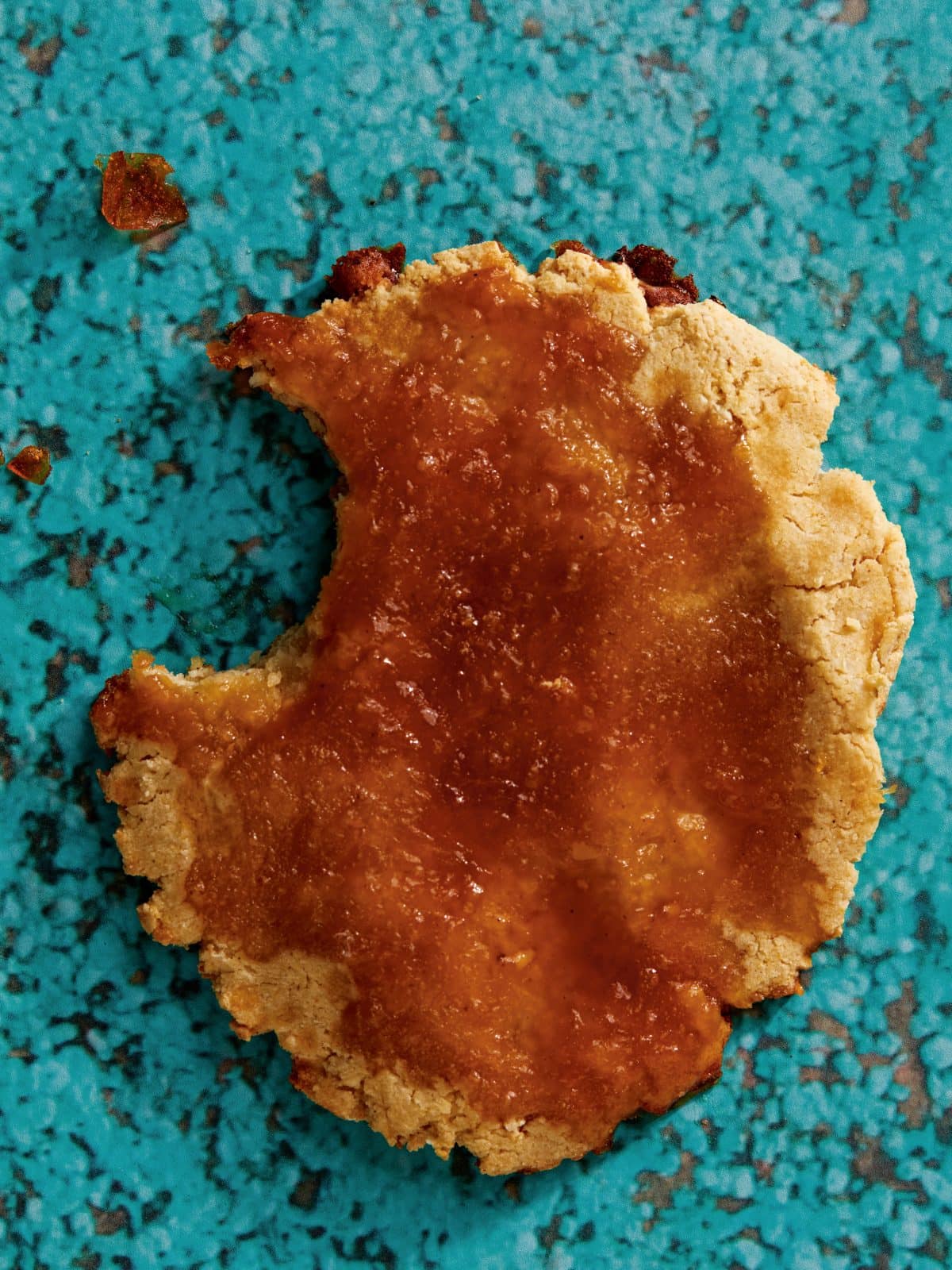
Tustacas

Tustacas are one of the most delicious and iconic Honduran snacks. Like rosquillas, these crispy, golden-brown cookies
are a staple of Honduran cuisine, with the main difference being the grated panela that goes into the center to add
even more of a sweet kick to the final flavor.

The origins of tustacas are not entirely clear, but they are believed to have come from the Indigenous communities of Honduras. The word tustaca comes from the Lenca language and means “little round bread.” The Lencan people were one of the largest Indigenous groups in Honduras, and they used to make a similar snack called “ataole,” which was made from ground cornmeal and water. The Spanish colonizers introduced wheat flour to the region in the sixteenth century, which led to the development of tustacas as we know them today. – Bryan Ford

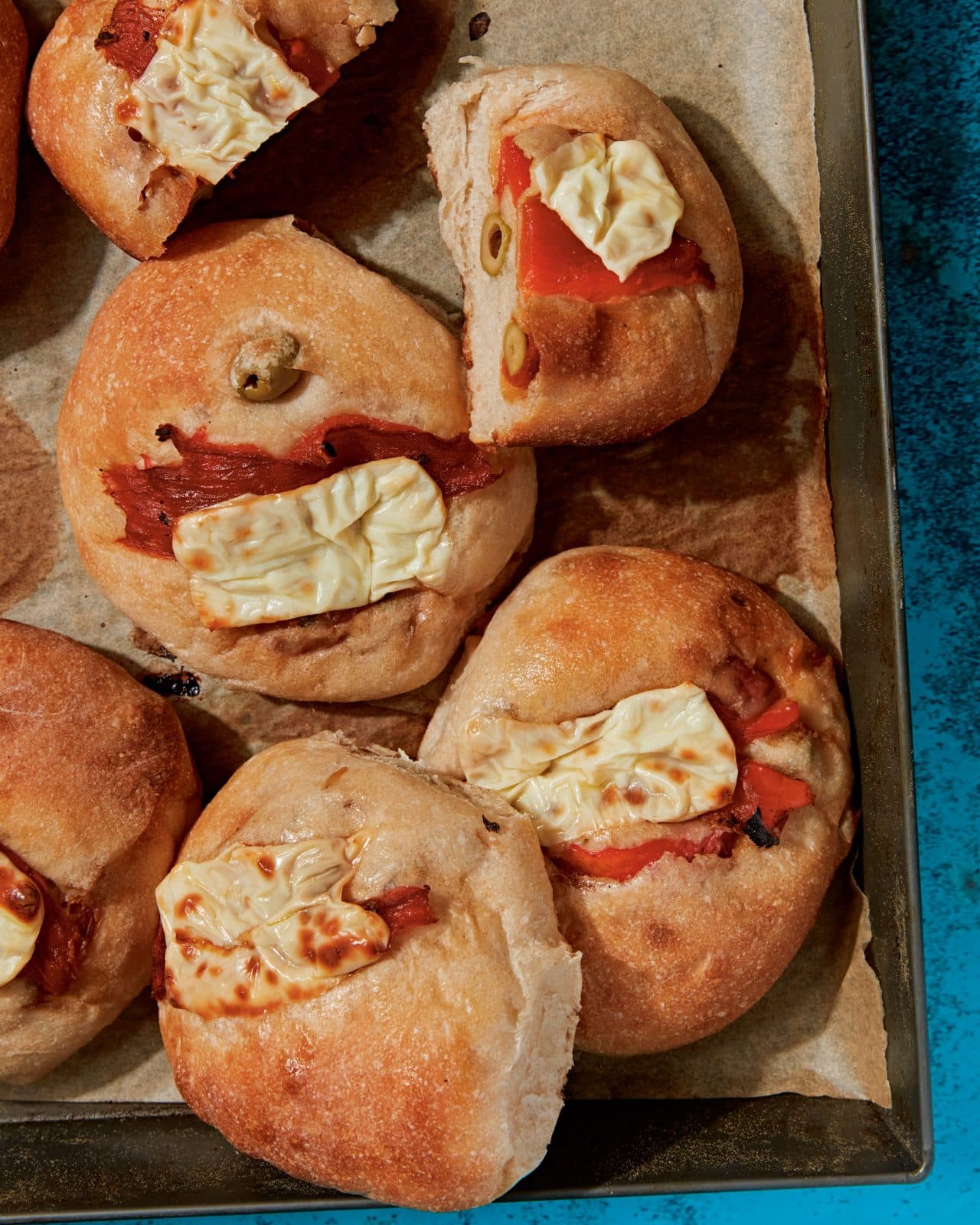
Roles de Pimiento Asado

I decided to roast peppers and cilantro to add a savory flavor profile that is suitable for any time of day and any number of fillings, toppings, or accompaniments. The aroma from the oven during this bake is divine. If you are one of those people who don’t like cilantro, this loaf might change your mind! – Bryan Ford

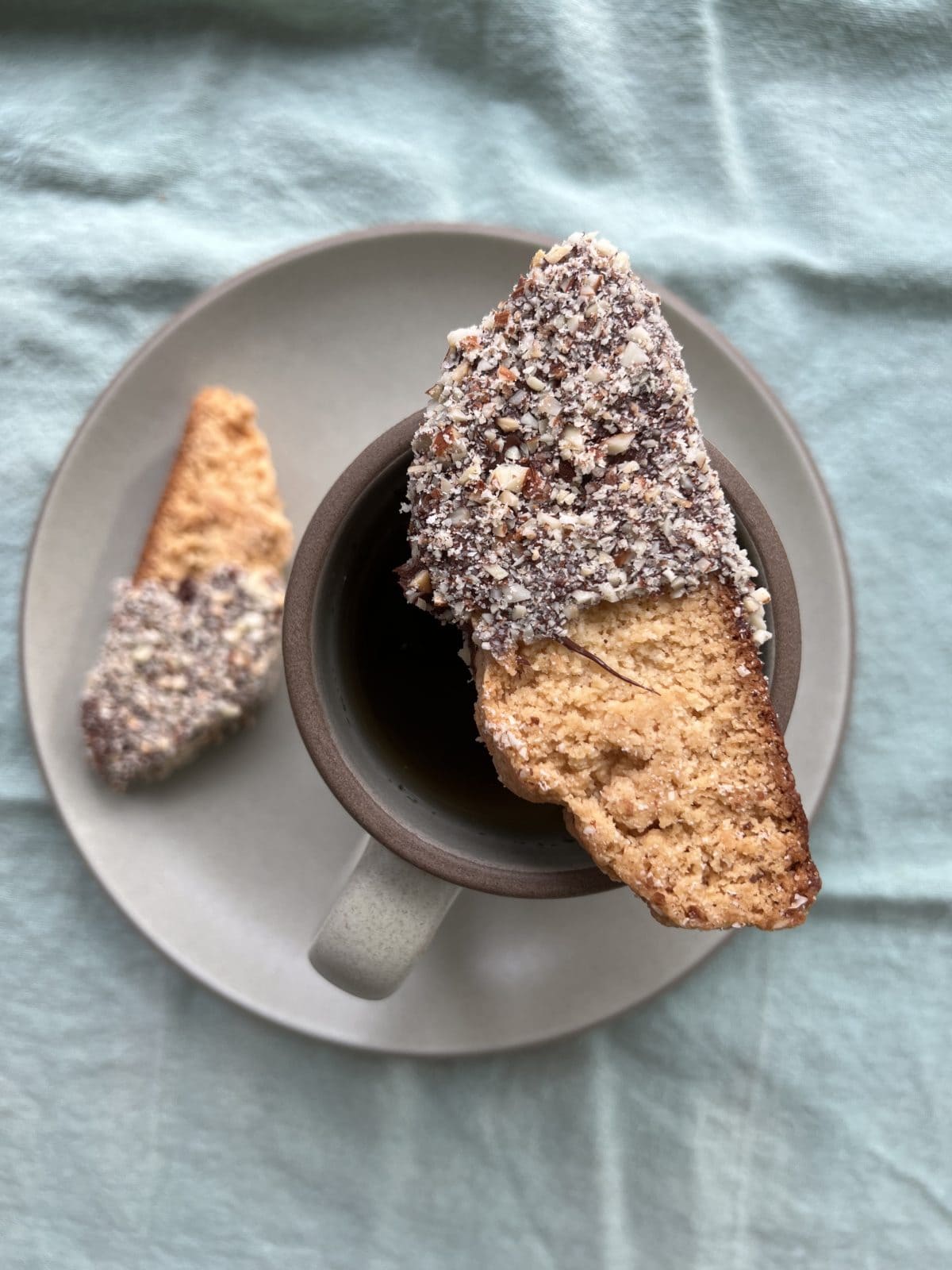
All-Almond Biscotti

We know the drill with biscotti: The dough is baked, sliced, and baked again for incredible crunch, long-lasting flavor, and ideal dunking. The surprise with this recipe — besides the fact that it’s gluten-free — is that almond flour delivers all the crunch without giving your jaws a workout. Whether you dip-and-roll (in melted chocolate and chopped almonds) or leave the cookies plain, these are definitely keepers.

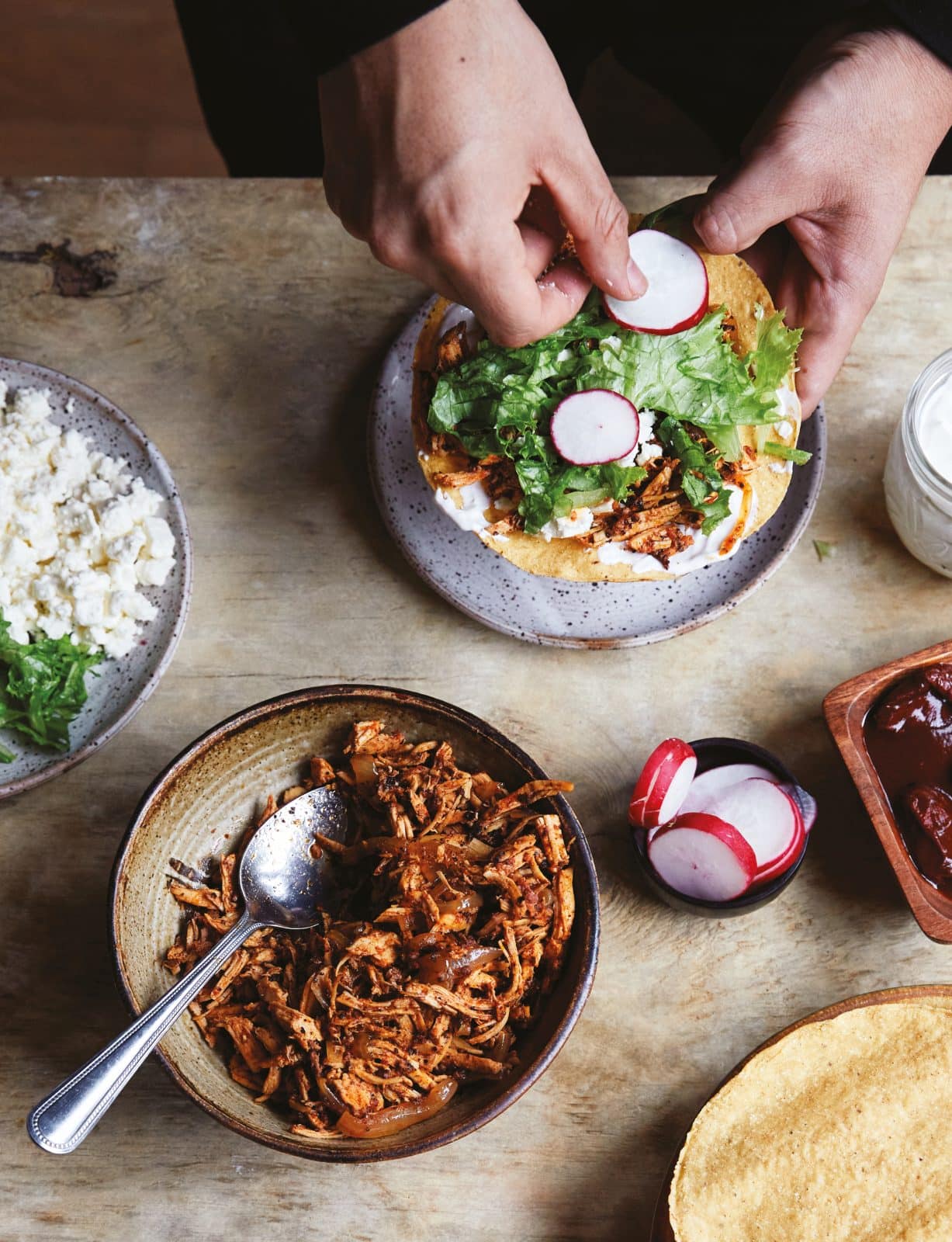
Honey-Glazed Turkey Tinga

As is the case with recipes that travel, this tinga reflects not only its Mexican origins but also its current home in Minnesota. Tinga is typically slow-­cooked, shredded meat—­anything from beef to pork to chicken—­layered with the flavors of chiles, onions, garlic, and tomatoes. – Jody Eddy

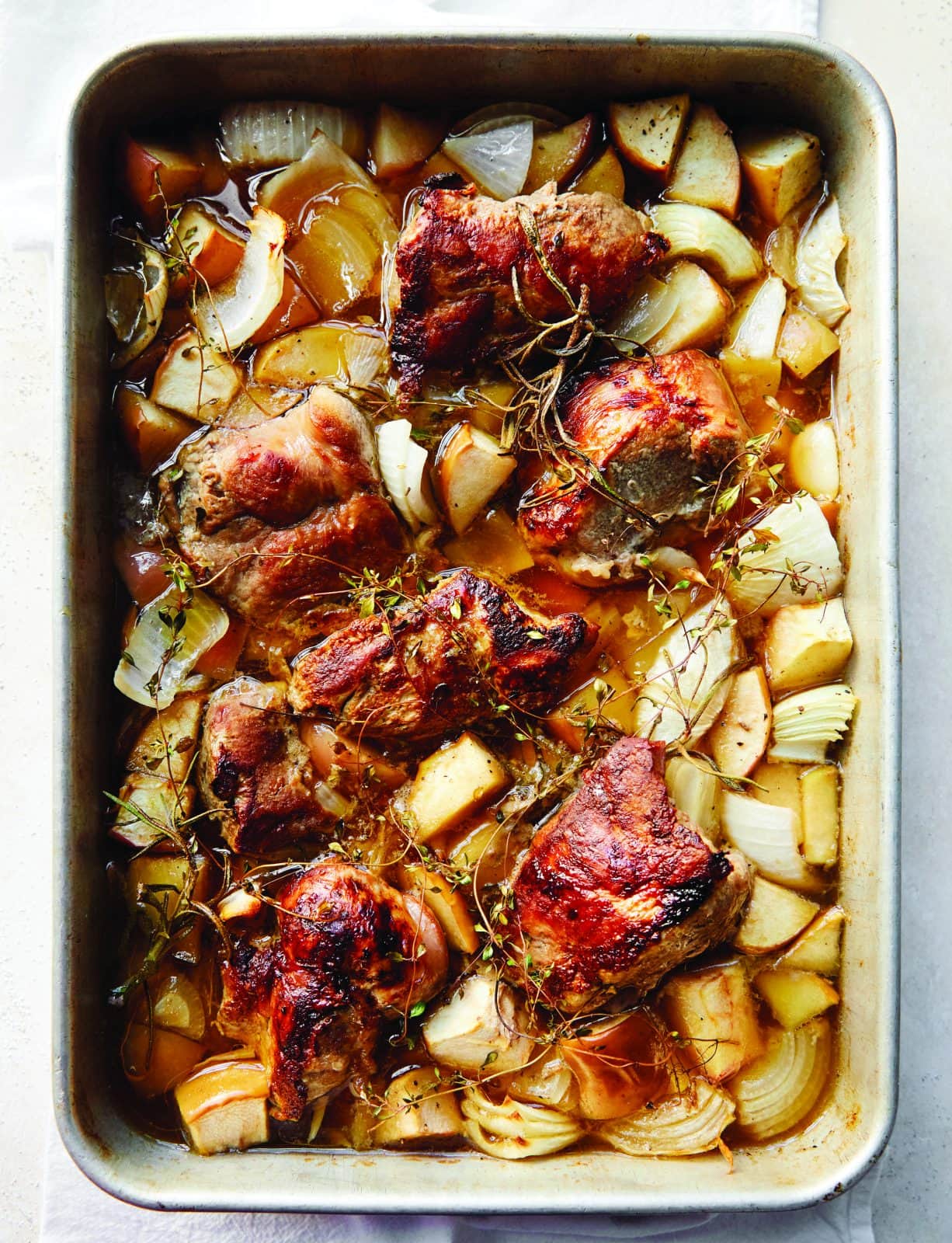
Beer-and-Honey-Glazed Pork Loin with Roasted Apples

On the day a priest is ordained at Saint-Wandrille, committing to a life of poverty, obedience, and chastity, he is allowed to choose what the dinner menu will include that evening. Pork loin is a favored choice. It’s a good day for everyone since all of the priests and monks indulge collectively.

This recipe is much easier to prepare than its nuanced flavors might suggest. Be sure to select a dark beer such as a stout or porter because it will result in an irresistible caramelized glaze that’s rounded out by the honey and tempered by the tanginess of the apples. Serve with your favorite comforting carb; at Saint-­Wandrille, fluffy mashed parsnips or roasted celery root are the vegetables of choice. – Jody Eddy