Cooking by Instinct
Photos: Mark Bittman


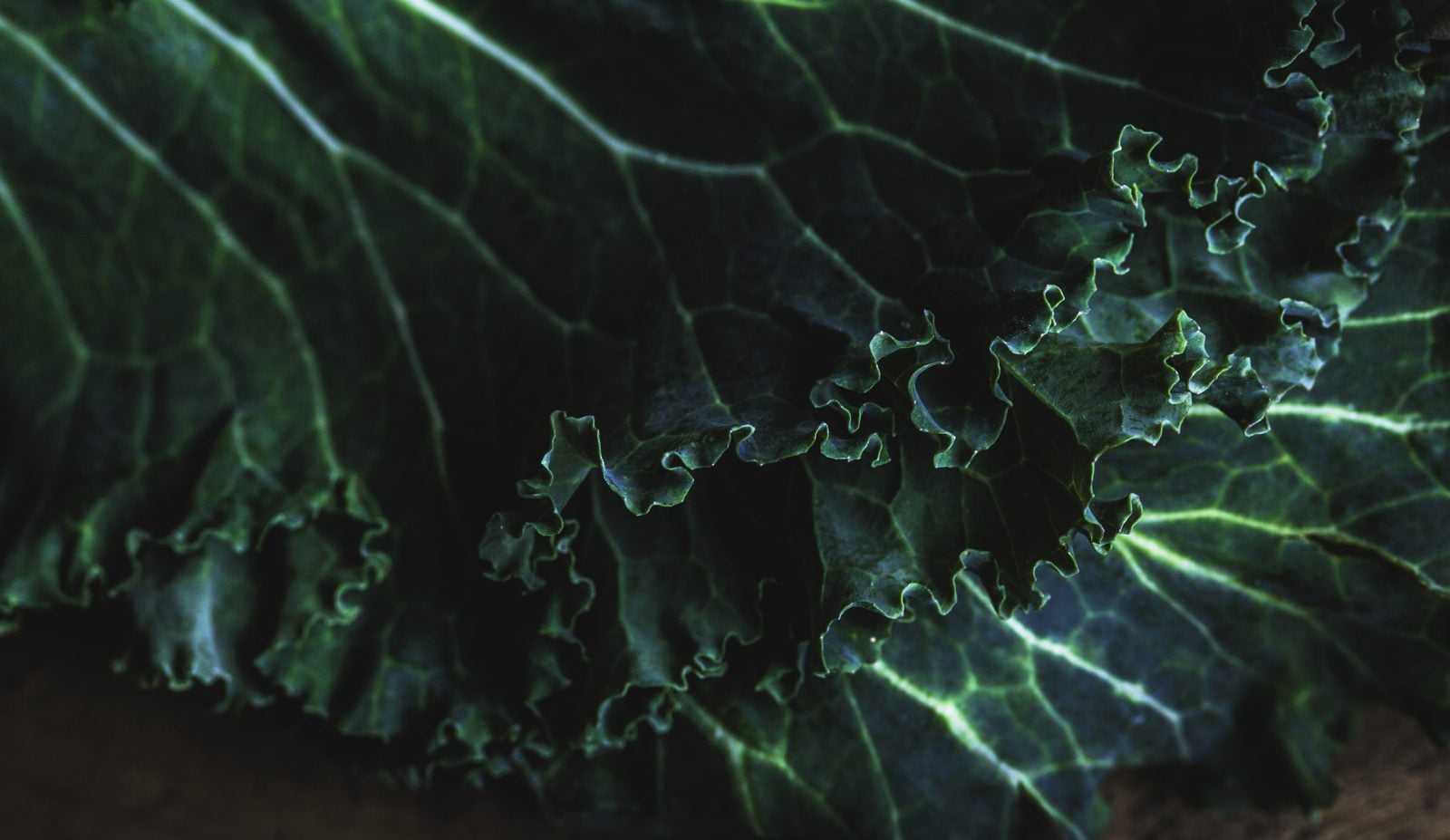
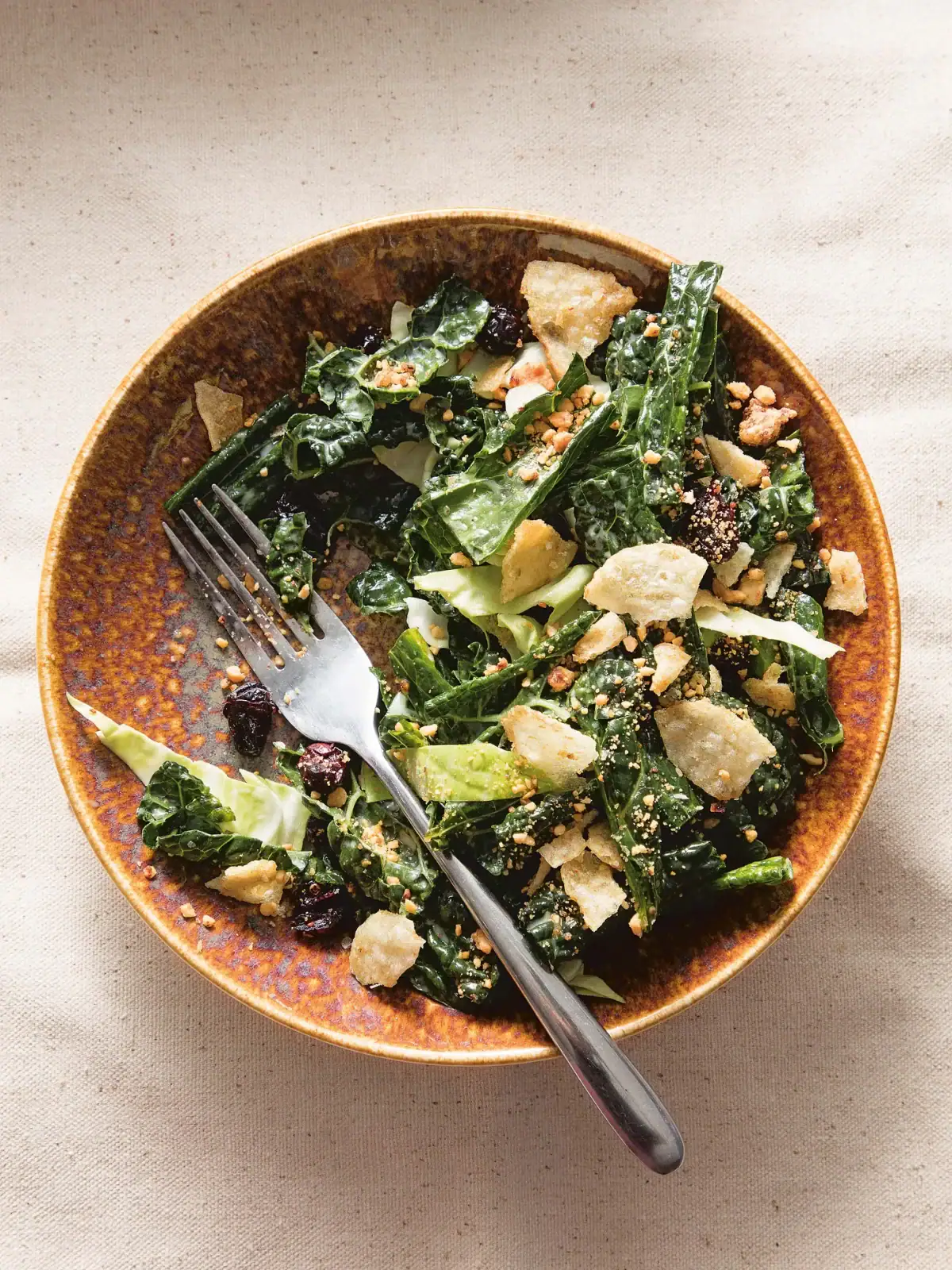
When I published the first edition of this book, kale and collards were a lot less universally popular, even though they’re the prototypical dark, leafy cooking greens. Whether it’s because they’re healthy, delicious, or versatile, they’ve caught on in a big way and are now available in many varieties like green kale, red Russian kale, and lacinato (also known as black or Tuscan kale). Collards are essential in Southern cooking.
Preparing: If the stems are thick, strip the leaves, chop the stems, and start cooking the stems a couple of minutes before the leaves. To cut the leaves easily, stack a few, roll them up, then cut across the roll.
Best cooking methods: boiling, steaming, stir-frying, braising; adding to soups and stews. Raw kale is best when chopped or thinly sliced and “massaged” with a little salt to tenderize.
When are they done? When the stems are tender enough to pierce easily with a skewer or thin-bladed knife, unless—and this is sometimes the case—you want the stems on the crunchy side. Note that collards take longer to become tender, but are also excellent a little shy of tender, as in the recipe that follows.
Other vegetables you can use: cabbage, chard, beet greens, turnip greens
Filters