
Lemons and Limes
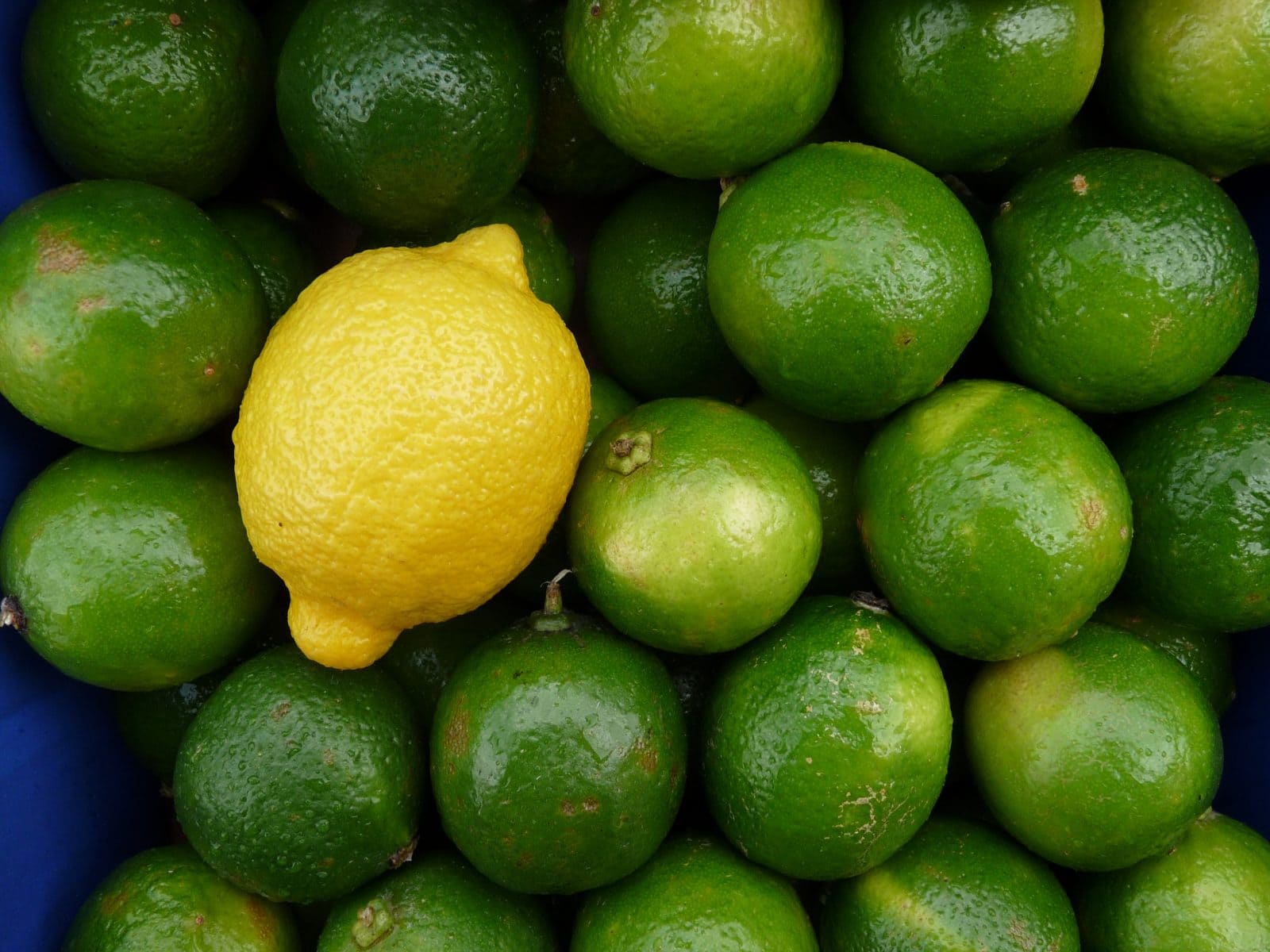
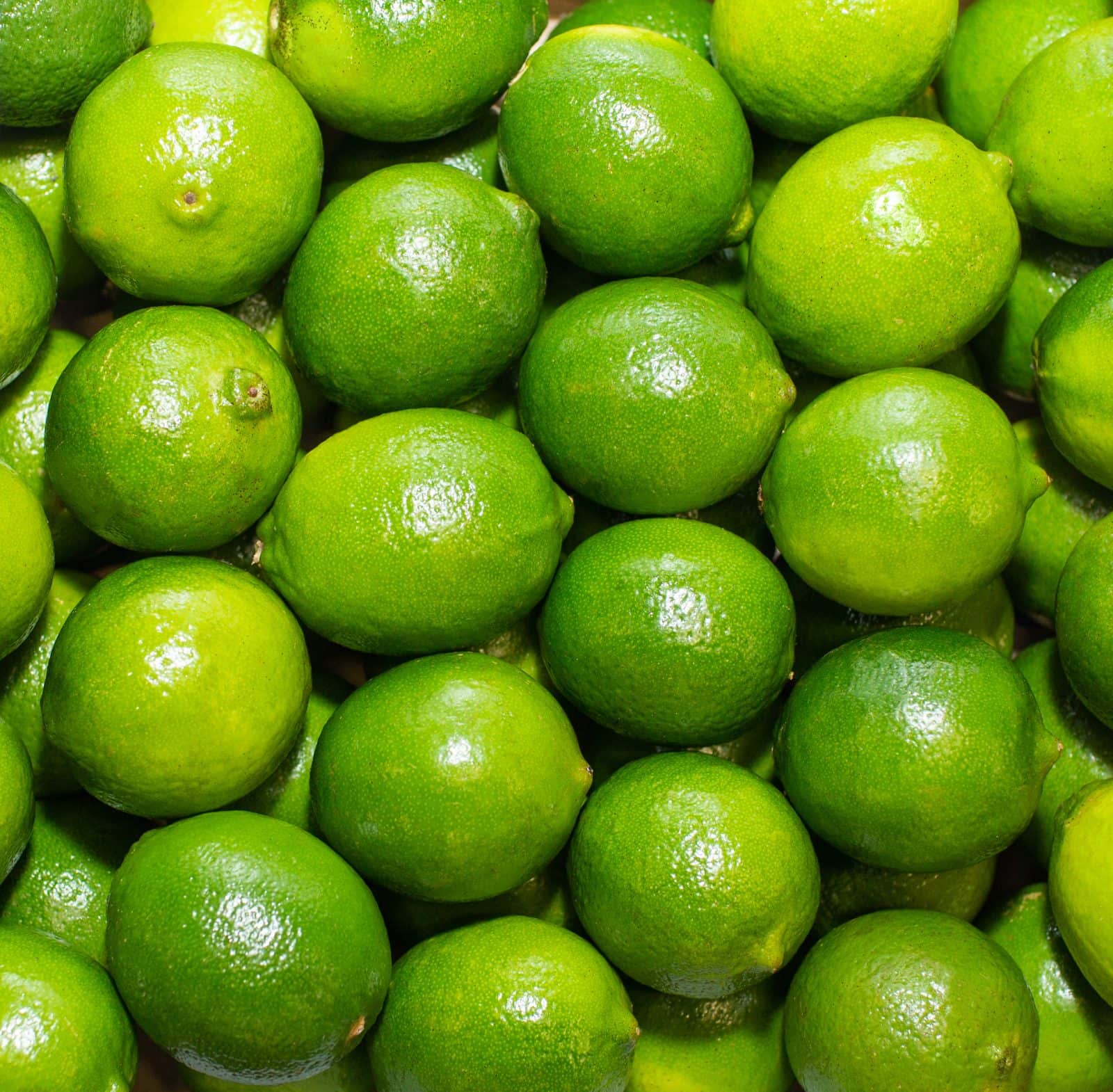
The most useful of kitchen fruits: a squirt of their juice or a sprinkle of zest can add just the right amount of acid and flavor to perfectly brighten and balance a dish, sauce, or beverage. The lemon is the essential fruit in European cooking, while the lime takes center stage in Asian and tropical cooking. It pays to keep some of each in your kitchen.
Preparing: Cut lengthwise into halves, quarters, wedges, or slices and remove any pits with the point of a knife. To juice, cut into halves through the equator. There are a few ways to zest citrus; how you choose to do it should partly depend on how you’ll use it. A zester is a nifty tool with small sharp- edged holes that cuts off long, thin strips of zest, which can then be minced; the strips are wonderful for garnishing when whole. Another method is to use a vegetable peeler or paring knife to remove the peel in ribbons. This technique inevitably brings part of the bitter white pith with it; to do a perfect job you should then lay the strips down on a cutting board and scrape the white part off with a paring knife, then slice or mince as you like. The easiest method is to use a sharp grater (like a Microplane), which results in tiny flecks of zest that are nearly undetectable in dishes except for their flavor.
Other fruits you can use: lemons and limes are more or less interchangeable

Filters
Recipe or Read
Author


Recipe
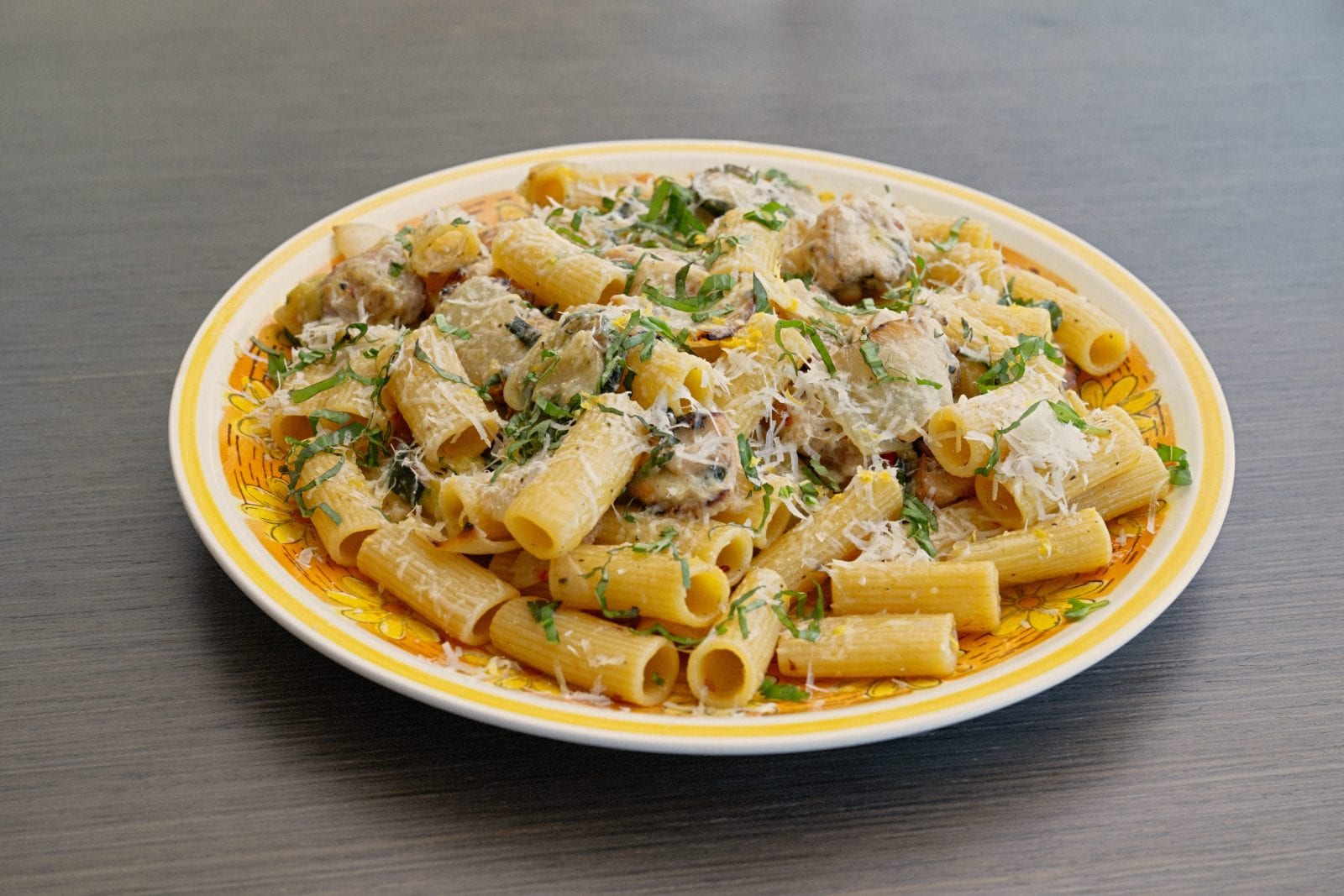
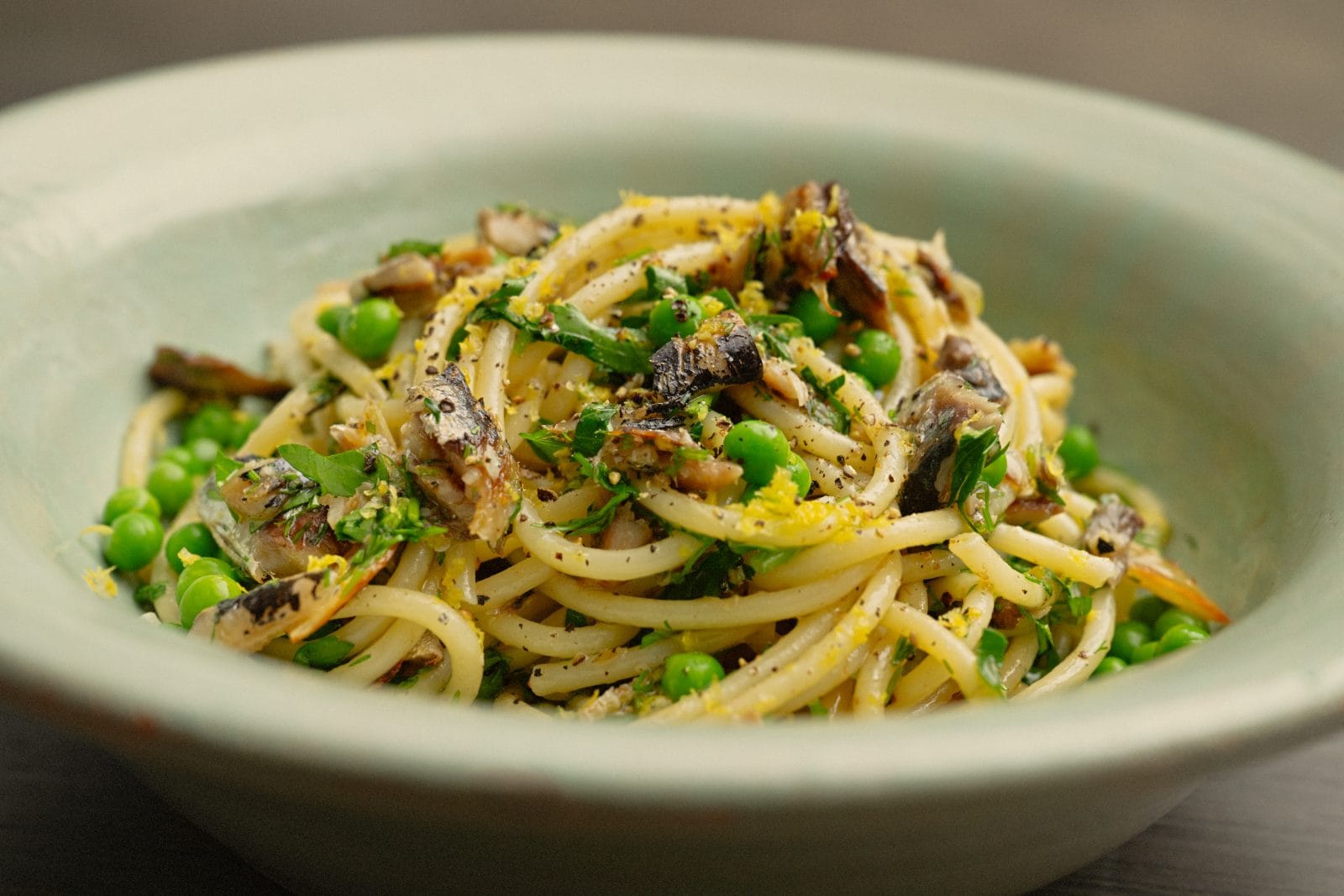
Spaghetti with Lemon
Recipe
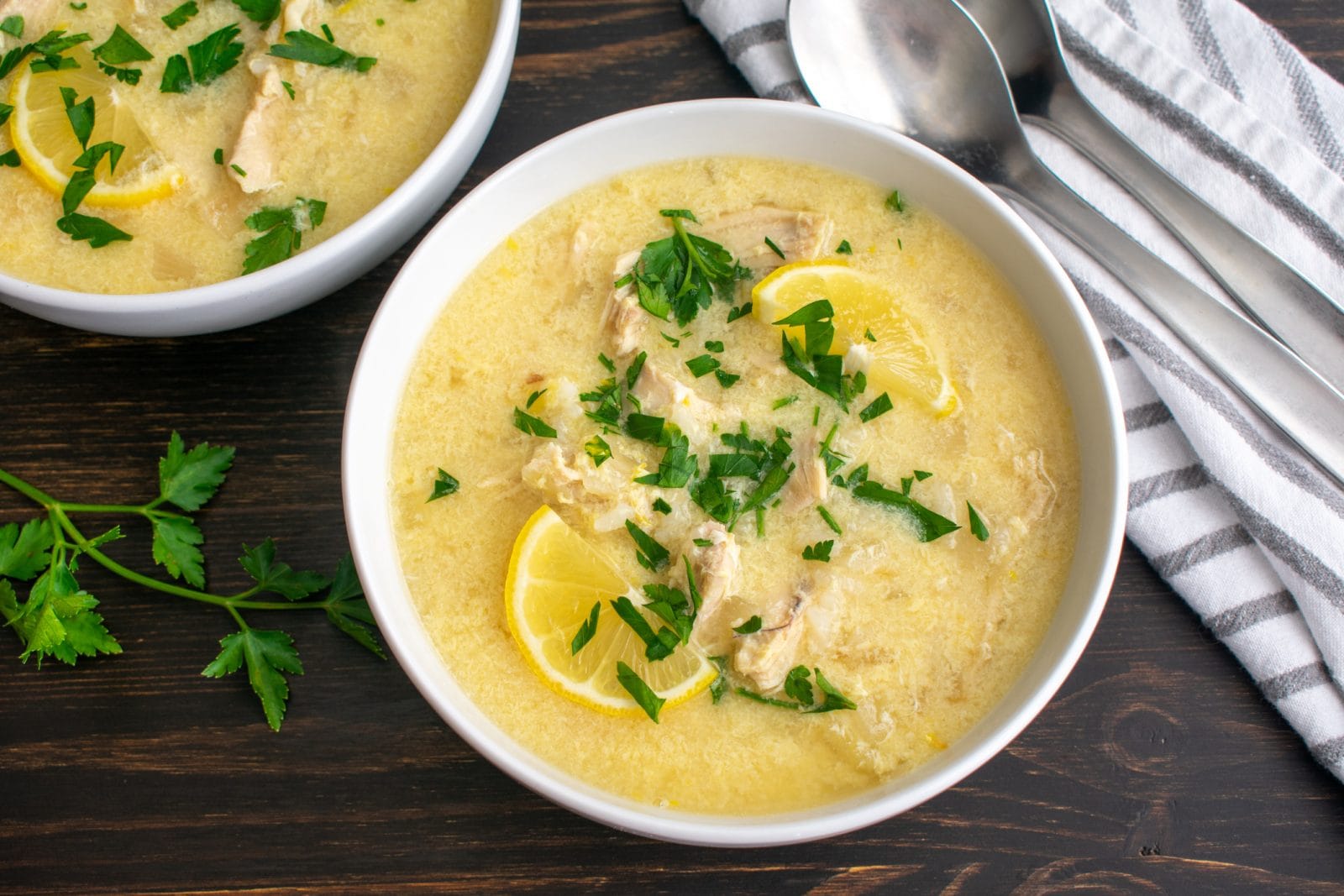
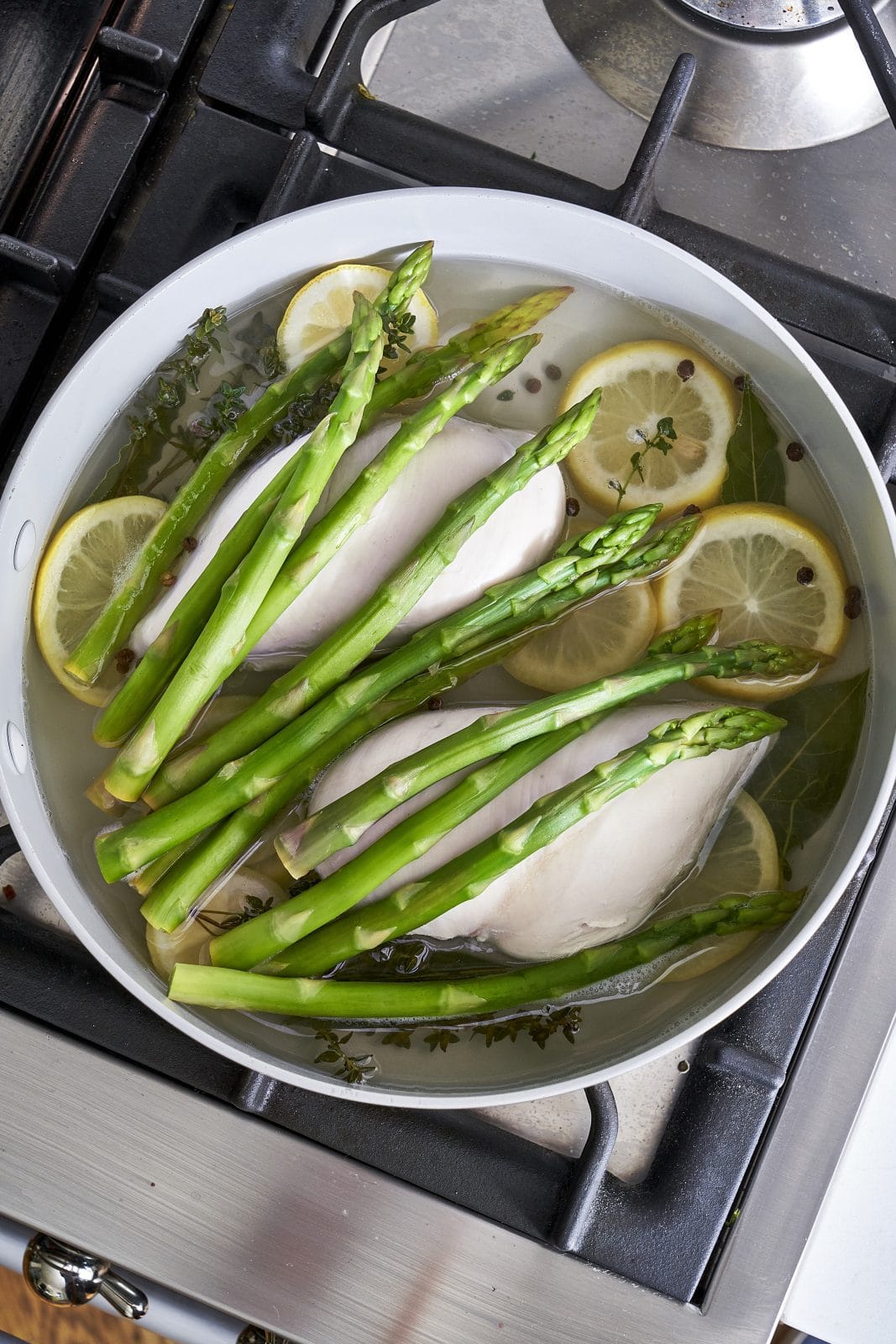
Avgolemono




Recipe
Lemon-Ricotta Pancakes



Recipe
Whole Lemon Torte
Recipe
Whole Lime Limeade

Recipe